

Electrolytes for Travel Days: TSA, In-Flight Hydration, and Jet-Lag-Friendly Sips

|
Key Takeaways
|
Travel days make staying hydrated a lot more work than it needs to be: security rules, dry cabin air, itty-bitty cups, and that classic “I’ll drink water later.” Even the best routines fall apart. Fortunately, the fix is simple. With the right drinks with electrolytes and a science-backed hydration plan, you can feel better during travel and wake up at your destination feeling human.
In this blog, we will cover TSA-friendly options, smart in-flight sipping, what to look for on labels, such as sodium per serving, and long-haul tips to support energy and sleep.
Quick Travel Days Checklist You Can Screenshot
As you prep for travel, it helps to keep the simple framework above in mind, especially on long-haul days when habits take over.
-
Before the Airport: Pack the format you’ll use, stick packs or a ready-to-drink bottle, and set a simple sip plan.
-
At Security: Know what counts as a liquid, and keep your bottle and electrolyte packets easy to reach.
-
In-Flight: Take steady sips, not chugs, and use drinks with electrolytes when they actually make sense.
-
After Landing: Drink water, grab a bite to eat, and keep arrival day easy on sleep.
These long-haul tips aren’t about being perfect. It’s about staying consistent when travel gets messy.
TSA Rules That Decide What You Can Bring
Security rules can affect your hydration plan more than most wellness trends. One simple way to make this easier is to pack electrolyte stick packs in your carry-on, with no fuss at TSA.
Ready-to-drink bottles can be trickier because you need to consider the 3.4 oz/100 mL liquid limit and whether it fits in your liquids bag. In most cases, full-size RTD bottles won’t make it through security.
Pack smart so the whole process stays hassle-free. For stick packs, keep them in a quick-access pouch and pack an empty refillable bottle. If you’re bringing RTDs, choose 100 mL options that fit your liquids bag. What you want is hydration, not a debate at 6 a.m. in front of TSA.
Powder Stick Packs vs Ready-To-Drink on Travel Days

Travel days reward what is easiest to pack and use. Here’s how stick packs and ready-to-drink bottles stack up when you’re dealing with TSA and tight timing.
Stick Packs (Powder)
Stick packs are the space-saver option. If you’re flying carry-on only or trying to keep your bag light, they’re usually the easiest add-ons.
-
Pros: Minimal weight, compact size, TSA-friendly, easy to pack
-
Cons: Requires water and a quick mix
-
Best Uses: Long flights, carry-on travel, and people who already use a refillable bottle
When you want something small and flexible, stick packs are a simple way to carry electrolytes.
Ready-To-Drink Bottles
Ready-to-drink bottles are about zero prep. They’re a good fit when you know you won’t mix powder, but you still have to plan around TSA limits.
-
Pros: No mixing, consistent flavor, easy opening, and sipping
-
Cons: Larger volume, higher price per serving, TSA size limits
-
Best Uses: Short trips, airport-to-car days, travelers who won’t mix powders
RTDs are a solid choice for ease of use when traveling, but keep TSA limits in mind.
If you’re flying, stick packs can make the packing side easier. If you’re staying on the ground, RTDs can be the simplest option when convenience matters most.


Sodium Per Serving: The Label Detail That Matters Most
If you only check one number on drinks with electrolytes, make it sodium per serving. Sodium is the main electrolyte you lose in sweat, and it’s the piece that most influences whether a drink actually supports hydration, or just tastes as it does.
Here’s a simple way to match the label to your day:
-
Lower Sodium Per Serving: Everyday sipping, light travel days, or when you want something mild.
-
Moderate to Higher Sodium Per Serving: Long-haul flights, lots of walking, hot destinations, heavier sweating, or days you’re not eating much.
Some formulas include a small amount of sugar because sodium and glucose can be absorbed together, which can help move water along in the gut. It’s about absorption mechanics, which may not just be sweetness.
In-Flight Hydration That Doesn’t Backfire
Yes, planes are dry, absolutely. But feeling dehydrated on a plane doesn’t mean everyone on the flight is severely dehydrated. We’re aiming to strike a better balance.
A Simple Sip Schedule
-
Begin drinking water early, rather than waiting until you feel thirsty.
-
Pair electrolyte drinks with water, not as your only fluid.
-
Keep your sips small and steady.
Avoid common traps
-
Chugging a large bottle immediately
-
Going all-electrolytes, no water
-
Ordering extra caffeinated drinks late in the flight, when sleep is already fragile
These tips give long-haul hydration the best chance of working with your body, rather than against your bladder or your bedtime routine.
Jet-Lag-Friendly Sips: What Helps Sleep Stay On Track
Hydration connects to how you feel, but jet lag is mostly about timing, not about electrolyte-rich drinks. That said, sipping fluids before arrival can help you feel more settled.
Sleep Supportive Sipping Rules
-
Gradually reduce fluids as you get closer to your expected bedtime.
-
Keep sipping lighter and slower, especially on evenings after late arrivals.
-
Have fluids with food after landing to help your routine settle in.
Hydration is part of getting your rhythm back on track, not outsmarting time zones.
Where More Labs Fits In A Travel-Day Routine

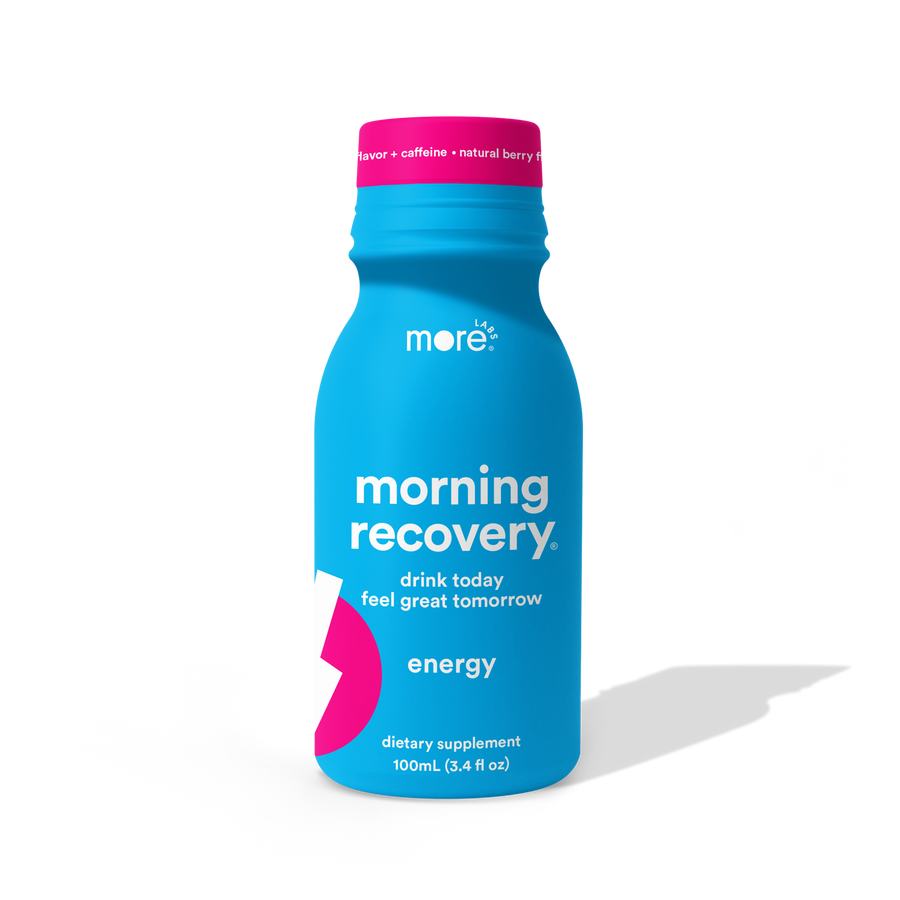
Travel days reward whatever is easiest to pack and actually use. More Labs’ lineup includes portable wellness drinks, and some options come in 100 mL bottles that can be TSA-friendly if they fit your liquids setup and you pack them accordingly.
To keep this trip-focused and simple:
-
For hydration, pick your drinks with electrolytes based on sodium per serving and the format you’re most likely to use on long-haul days (stick packs for packing ease, RTDs for zero-mix convenience).
-
If your itinerary includes a drink with dinner, Morning Recovery is a dietary supplement intended to be taken before you take your first drink, not as a replacement for water.
Think of them as separate tools: electrolytes support hydration; Morning Recovery fits only when alcohol is part of the plan.
Pack Your Better-Travel Hydration Kit
Before your next trip, build a hydration kit that actually survives security, boarding, and arrival day. Keep it simple: pack electrolyte stick packs that are carry-on-friendly, bring an empty refillable bottle, and have a sodium-per-serving plan based on whether it’s a light travel day or a long-haul day.
Add a sleep-friendly evening sip strategy for arrival day. If you prefer ready-to-drink options, More Labs’ lineup includes 100 mL bottles that can be TSA-friendly when packed properly.
If you want to explore it, check out the Morning Recovery dietary supplement and follow the directions on the page.
Disclaimer:
† These statements have not been evaluated by the Food and Drug Administration. These products are not intended to diagnose, treat, cure, or prevent any disease. Always check with a healthcare professional before use, especially if you take medications.
|
The Bottom Line: Travel days don’t have to wreck your hydration routine. Know the TSA basics, choose stick packs or ready-to-drink based on what you’ll actually use, and check sodium per serving so the label matches your day. Sip steadily in-flight, then keep arrival day simple with water, food, and a lighter evening routine. |


