

Alcohol Flush Reaction Explained: Why Some People Turn Red After Drinking

|
Key Takeaways
|
You take a few sips of a drink, and before long, your face feels warm and looks noticeably red. For some people, that reaction can happen quickly and may show up across the cheeks, neck, or chest.
This is known as an alcohol flush reaction, and it usually has more to do with how your body processes alcohol than with sensitive skin. One key factor is acetaldehyde, a compound produced as alcohol is broken down, and how efficiently your body clears it.
In this blog, we’ll explain what causes an alcohol flush reaction, what other symptoms can come with it, why covering up the redness doesn’t address the underlying reaction, and what to consider if it happens to you.
What Is an Alcohol Flush Reaction?
Alcohol flush reaction is the redness and warmth that can appear soon after drinking, most often across the face, neck, or upper chest.
It is usually linked to alcohol intolerance rather than an allergy, and even a small amount of alcohol may also bring symptoms such as nausea, an occasional headache, hives, or a pounding heartbeat.
One of the main reasons is acetaldehyde, a compound produced as your body breaks down alcohol. If acetaldehyde isn’t cleared efficiently, it can build up and contribute to the flushing and other symptoms.
How Alcohol Becomes Acetaldehyde
Alcohol flush reaction starts with the way your body processes alcohol, and two steps are especially important.
Step 1: Alcohol Is Converted Into Acetaldehyde
First, an enzyme called alcohol dehydrogenase, or ADH, converts alcohol into acetaldehyde. Acetaldehyde is an intermediate compound, which means your body still needs to break it down further.
How quickly that next step happens can influence whether acetaldehyde starts to build up.
Step 2: ALDH2 Helps Clear Acetaldehyde
Next, an enzyme called aldehyde dehydrogenase 2 (ALDH2) converts acetaldehyde into acetate, which the body can process more easily.
Some people inherit a version of ALDH2 that works less efficiently. When that happens, acetaldehyde can build up and contribute to redness, warmth, nausea, and a pounding heartbeat.
Drinking more often doesn’t make this enzyme work more efficiently, so flushing isn’t something you can simply train your body out of.
Why Is It Called “Asian Flush”?
The term “Asian flush” comes from the fact that genetic variants linked to alcohol flushing, particularly ALDH2 variants, are more common among people of East Asian ancestry. Alcohol flush reaction is the more accurate term.
That doesn’t mean every East Asian person experiences flushing, and redness after drinking can have other causes too. Rosacea, certain medications, or reactions to ingredients in alcoholic drinks may also play a role.
What Alcohol Flush Can Feel Like
Redness may be the most noticeable sign of an alcohol flush reaction, but other symptoms can happen at the same time.
Common Alcohol Flush Symptoms
The face, neck, or chest may become red, blotchy, and warm. Some people may also experience nausea, hives, an occasional headache, lightheadedness, a pounding heartbeat, or changes in breathing.
These symptoms can appear after even a small amount of alcohol. How red someone looks also doesn’t tell you how intoxicated they are.
Is an Alcohol Flush Reaction the Same as an Alcohol Allergy?
Not usually. Alcohol flush reaction is generally linked to how the body processes alcohol rather than an allergic response.
That said, ingredients in alcoholic drinks, such as grapes, grains, yeast, or sulfites, can cause reactions in some people. Rosacea and certain medications may also contribute to redness after drinking.
If flushing is new, becomes more intense, or starts after a medication change, speak with a healthcare professional.
When Symptoms Need Urgent Care
Trouble breathing, swelling of the lips or throat, severe wheezing, fainting, confusion, or a rapidly worsening rash needs prompt medical attention.
If a reaction becomes severe, stop drinking and seek appropriate care rather than waiting to see if it passes.
Why the Redness Matters Beyond Appearance
The redness itself isn’t what makes the alcohol flush reaction concerning. It can be a visible sign that acetaldehyde is building up because the body isn’t clearing it efficiently.
Repeated acetaldehyde exposure is one reason alcohol flush reaction should not be treated as purely cosmetic, particularly in people with reduced ALDH2 activity.
The reaction can tell you something important about how your body is processing alcohol, which is why it’s worth paying attention to rather than simply trying to hide the redness.
Can You Prevent an Alcohol Flush Reaction?
Reducing the reaction and simply hiding the redness are two different things.
Limiting or Avoiding Alcohol Is the Most Effective Approach
No type of alcohol, meal, hydration routine, or slower drinking pace can change inherited ALDH2 activity. Avoiding alcohol prevents the reaction, while drinking less can reduce acetaldehyde exposure.
If flushing starts, it’s a sign to pay attention rather than something to push through. There also isn’t a set amount of alcohol that guarantees flushing won’t occur.
Why Masking the Redness Misses the Point
Antihistamines may make the redness less noticeable, but they don’t change how your body processes acetaldehyde. That means the underlying reaction is still happening even if it’s harder to see.
Because alcohol can also interact with medications, it’s better to speak with a doctor or pharmacist than to try to suppress flushing on your own.
Next-Day Support Starts Before the First Drink
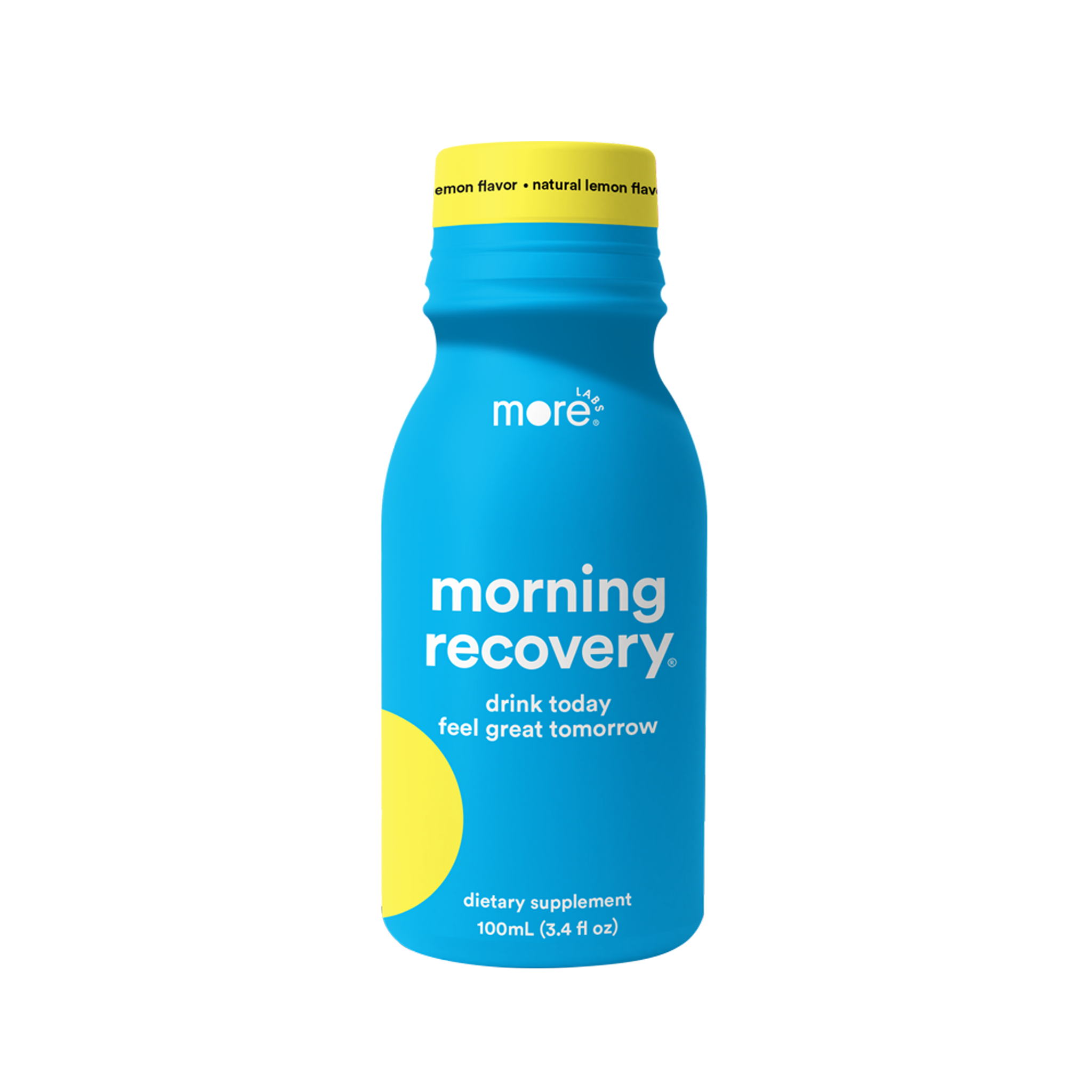
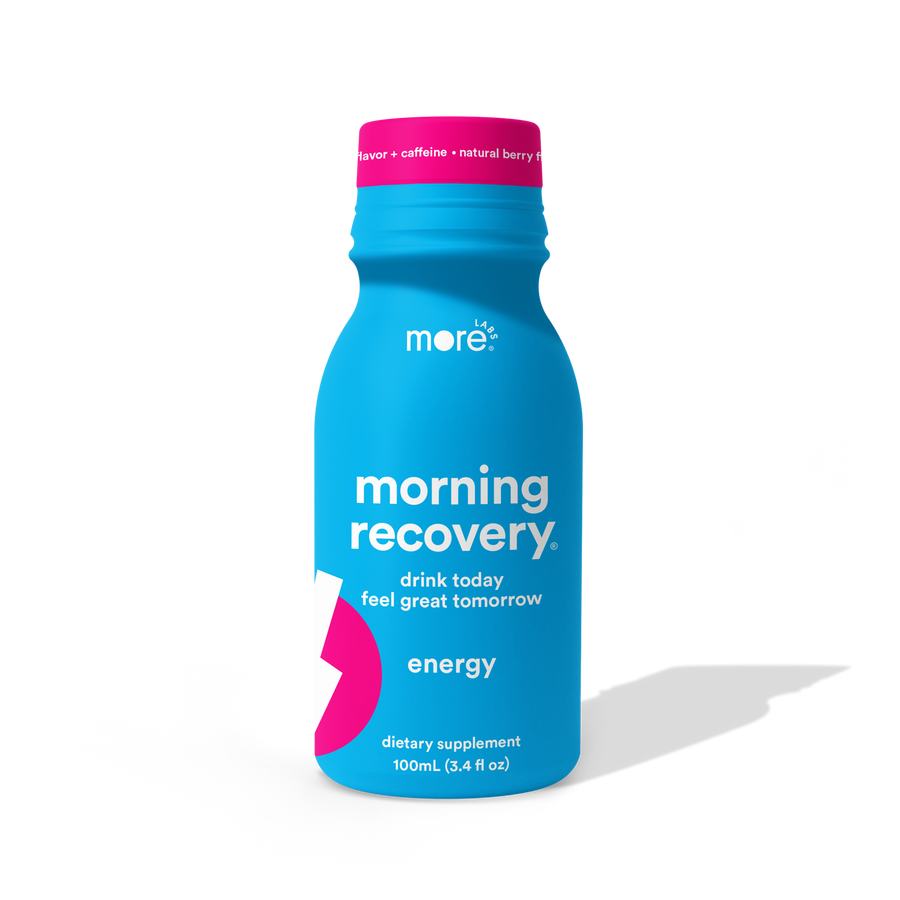
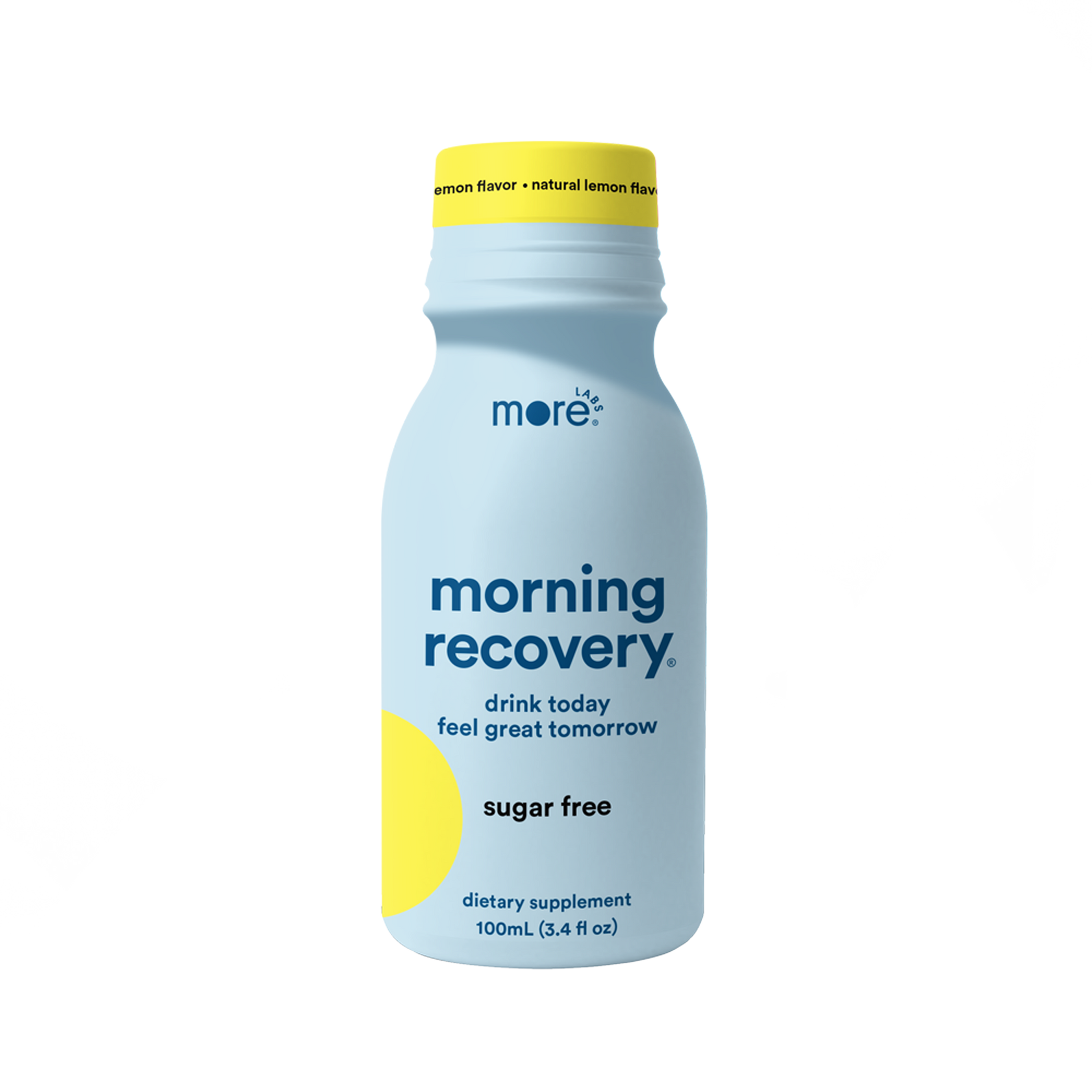
If you choose to drink, planning ahead for next-day symptoms is a separate consideration from managing an alcohol flush reaction. Morning Recovery dietary supplement offers a clinically studied formula for next-day symptom support and is designed to be taken before your first drink or while drinking.
In a randomized, double-blind, placebo-controlled clinical study, participants reported feeling up to 80% better across next-day symptoms, including occasional headache, heart-pounding, concentration problems, and clumsiness, compared with those taking placebo.
That result applies to the complete formula, not any single ingredient. Morning Recovery dietary supplement is not intended to change inherited ALDH2 activity or prevent alcohol flush reactions. It can be one part of a responsible routine that also includes food, water, pacing, and other healthy habits.
FAQs
Is alcohol flush reaction dangerous?
It can signal inefficient acetaldehyde clearance, so it should not be treated as purely cosmetic or something to simply push through.
Can people who are not Asian have alcohol flush reaction?
Yes. Relevant variants occur across populations, and alcohol-related flushing can also have several other causes.
Is alcohol flush reaction an alcohol allergy?
Usually not. It is commonly an intolerance, although drink ingredients can cause genuine allergic reactions in some people.
Do antihistamines make alcohol flush safer?
No. They may hide redness, but they don’t change acetaldehyde exposure or how your body processes alcohol.
Can reduced ALDH2 activity be changed?
No proven food, drinking routine, or over-the-counter approach can restore genetically reduced ALDH2 activity.
Listen When Your Face Is Telling You Something

An alcohol flush reaction can be a sign that your body isn’t clearing acetaldehyde efficiently. If flushing or other symptoms appear, don’t treat them as something to push through or simply cover up.
If the reaction is new, severe, or difficult to explain, speak with a healthcare professional. And if you choose to drink, paying attention to how your body responds should be part of that decision.
For adults who choose to drink and want to plan ahead, More Labs’ Morning Recovery dietary supplement offers a clinically studied formula for next-day symptom support as part of a responsible routine.
Disclaimer:
† These statements have not been evaluated by the Food and Drug Administration. These products are not intended to diagnose, treat, cure, or prevent any disease. Morning Recovery dietary supplement will not prevent intoxication or enhance sobriety. Talk with a healthcare provider before use, especially if you take medications.
|
The Bottom Line: Alcohol flush reaction is more than a cosmetic response. It can reflect inefficient acetaldehyde clearance when ALDH2 activity is reduced. If flushing happens, pay attention to the signal rather than trying to hide it, and make your next drinking decision accordingly. |


