

How the Body Breaks Down Alcohol: A Science-Backed Guide to Metabolism and Recovery

|
Key Takeaways
|
You have a drink, maybe two. And at some point, you start wondering: what is actually happening inside my body right now, and why do some people feel different the next morning than others? The answer starts with a biological sequence your body runs every time you drink.
In this blog, we’ll walk through the alcohol metabolism process from first sip onward, cover what affects how your body works through alcohol, and share practical steps that support a more responsible drinking routine.
What Happens After You Drink
After you drink alcohol, your body moves it through a clear sequence. First, alcohol passes through the mouth and stomach, then most of it is absorbed through the small intestine into the bloodstream. From there, it travels to the liver, where your body works to break it down.
The liver first converts alcohol into acetaldehyde, then into acetate. After that, acetate is eventually broken down into carbon dioxide and water.
That is the basic alcohol metabolism process. Alcohol is not digested like food. Once it reaches the bloodstream, your body has to process it over time. Food, water, coffee, or supplements cannot speed up this process.
Step 1: Alcohol Moves Into Your Bloodstream
A small amount of alcohol may be absorbed through the mouth and stomach lining, but most absorption happens in the small intestine. Before alcohol fully enters circulation, some of it may be partially broken down in the stomach and liver through what is called first-pass metabolism. This varies from person-to-person.
Food plays a real role here. Eating before drinking slows stomach emptying, which can slow how quickly alcohol reaches the small intestine. That can mean a slower, more gradual rise in blood alcohol concentration. That said, food slows absorption. It does not cancel alcohol's effects.
Step 2: Alcohol Moves Through The Body
Once alcohol reaches the bloodstream, it circulates through water-rich tissues throughout the body, including the brain. That is why effects can show up quickly. Alcohol reaches the brain through circulation before the liver has fully processed it.
Blood alcohol concentration depends on more than just how much someone drinks. Amount consumed, pace, food intake, body size, sex, genetics, medications, and liver function all play a role. Two people can drink the same amount and can still feel very different effects.
Step 3: The Liver Does Most of the Processing
The liver handles the bulk of alcohol metabolism through enzymes. The main pathway works as follows: ADH converts ethanol to acetaldehyde, and then ALDH converts acetaldehyde to acetate. Acetate is then broken down into carbon dioxide and water.
Acetaldehyde is a short-lived byproduct that the body works to convert quickly. That is why the ALDH step matters so much. Acetate is easier for the body to process and break down.
Minor Alcohol Metabolism Pathways
ADH and ALDH do most of the work, but two other systems can assist. CYP2E1 becomes more relevant with higher or repeated alcohol exposure. Catalase handles only a very small fraction of alcohol breakdown under specific conditions.
These pathways add nuance but do not change the core picture. The liver is still doing most of the work, and time is still the limiting factor.
Step 4: Alcohol Temporarily Changes Other Metabolic Priorities
The body cannot store alcohol the way it stores carbohydrates, fat, or protein. So when alcohol is present, your body prioritizes processing it. Other metabolic processes can temporarily shift while the body processes it.
Why Alcohol Hits Everyone Differently

Many variables shape how quickly the body works through alcohol. These include how much someone drinks, how quickly they drink, food intake, body size, body composition, sex, genetics, enzyme activity levels, medications, sleep quality, liver health, and overall nutrition.
The idea of "one drink per hour" is a rough estimate, not a guarantee. It does not apply equally to every person. Medications and health conditions can also affect both absorption and metabolism, which is why professional guidance matters when those factors are in play.
Can You Speed Up Alcohol Metabolism?
If you see the phrase “alcohol detoxification naturally,” read it carefully. In a responsible wellness context, it should refer only to the body’s normal alcohol-metabolism process, not to a cleanse, reset, or shortcut. The body already runs this process on its own.
To be direct: you cannot meaningfully speed alcohol metabolism once alcohol is in the bloodstream. What you can do is support your body around that process. Eating before drinking, pacing yourself, hydrating steadily, resting, and avoiding risky alcohol-medication combinations all matter.
No food, coffee, workout, or supplement can sober someone up faster once alcohol is already circulating.
What Actually Helps Your Body After Drinking?
The basics are not complicated, and they are worth taking seriously:
-
Hydration supports fluid balance, but does not speed alcohol metabolism.
-
Food can be easier to handle when it is balanced and gentle.
-
Rest gives the body time to complete its normal alcohol processing.
-
Pacing means less alcohol for the body to handle at once.
-
Planning covers transportation, moderation, and knowing your own limits before you start drinking.
The goal is to keep the basics steady while time does the work.
Where Morning Recovery Fits Alongside the Basics
The basics still matter. But if you already know you’ll be drinking, the smarter move is to plan before the first drink, not look for a next-morning shortcut.
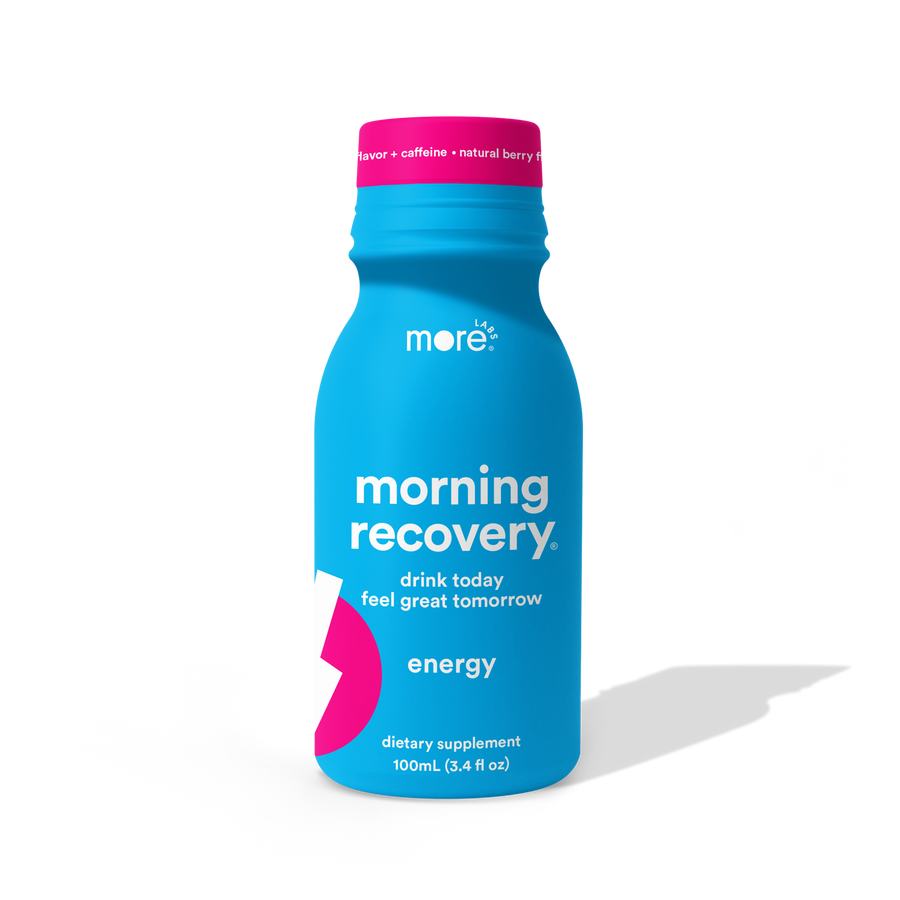
Morning Recovery dietary supplement is designed to be taken before your first drink or while drinking, so it belongs in the planning part of the routine, not the next-morning scramble. It’s a clinically studied formula that was tested in a randomized, double-blind, placebo-controlled clinical study, in which users reported feeling up to 80% better across next-day symptoms, including headache, heart pounding, concentration problems, and clumsiness, compared with those taking a placebo.
Morning Recovery dietary supplement also includes milk thistle extract, an ingredient associated with antioxidant properties and historical use in traditional wellness routines.
It does not prevent intoxication, enhance sobriety, replace moderation, or give you permission to drink more. Think of it as one planned step in a responsible routine that still depends on food, water, pacing, and rest.


Simple Science-Backed Drinking Support Framework
Think of this as a before, during, and after plan, not a shortcut.
-
Before Drinking: Eat a balanced meal, drink water steadily, know your limit, and plan transportation.
-
While Drinking: Pace yourself, alternate with water, and avoid drinking too quickly.
-
Optional Planning Step: Take Morning Recovery dietary supplement before or while drinking, if it fits your routine, following the label directions.
-
After Drinking: Hydrate, eat gently, rest, and give your body time.
-
Next Day: Avoid pushing through with excessive caffeine or intense exercise.
The smarter move is to plan ahead, keep the basics in place, and let time do what only time can do.
FAQs
How does the body break down alcohol?
The body absorbs alcohol into the bloodstream, then the liver converts it from ethanol to acetaldehyde, acetate, carbon dioxide, and water.
What organ processes most alcohol?
The liver processes most alcohol through enzymes called ADH and ALDH.
Can you speed up alcohol metabolism?
Not meaningfully. Once alcohol is in the bloodstream, time becomes the main factor.
Does food help alcohol metabolism?
Food does not speed metabolism, but eating before drinking can slow alcohol absorption.
What does natural alcohol detoxification mean?
It means the body's normal clearance process, not a cleanse, quick fix, or shortcut.
Plan Before Your First Drink With Morning Recovery

The body breaks down alcohol through a step-by-step biological process. The most practical support starts before and during drinking, not after the fact. Food, pacing, hydration, rest, and knowing your limits matter most.
Morning Recovery dietary supplement can be part of that plan for adults who want a science-backed support option before or while drinking.
Support your next-day routine with More Labs’ Morning Recovery dietary supplement from More Labs, and pair it with the basics that matter most.
Disclaimer:
† These statements have not been evaluated by the Food and Drug Administration. These products are not intended to diagnose, treat, cure, or prevent any disease.
|
The Bottom Line: Your body breaks down alcohol through a step-by-step process, and once alcohol is in your bloodstream, time does most of the work. Practical support comes from planning ahead: eat, pace yourself, hydrate, rest, and take Morning Recovery before or while drinking if it fits your routine. |


