

Can You Exercise After Drinking? Here’s What Science Says

|
Key Takeaways
|
You had a workout planned, but drinks were part of the night before. Now you’re wondering whether to stick with the session, scale it back, or skip it altogether.
The answer depends less on the clock and more on how you’re feeling. If alcohol is still affecting your balance, judgment, coordination, or alertness, exercising isn’t a good idea. By the next morning, a workout may be reasonable if you’re fully sober, steady, and feeling well enough to move safely.
In this blog, we’ll look at why exercise and alcohol don’t mix well in the moment, how to judge whether you’re ready to work out the next day, and what alcohol may mean for sleep, muscle recovery, and overall performance.
Wait Until You Are Fully Sober and Steady
Skip the workout if you feel buzzed, dizzy, unsteady, nauseated, unusually tired, or foggy. Alcohol can affect coordination and reaction time even before someone appears noticeably intoxicated.
There isn’t one waiting period that works for everyone. How long alcohol affects you depends on factors like how much you drank, how quickly you drank it, whether you ate, your body composition, medications, and individual biology.
If you’re unsure whether you’re ready, postpone the workout. Activities like heavy lifting, swimming, cycling, climbing, technical trails, and exercising in the heat leave less room for impaired balance or slower reactions.
You Cannot Sweat Alcohol Out
Most alcohol is cleared as your body metabolizes it, primarily in the liver. Exercising harder or sweating more doesn’t meaningfully speed up that process.
Coffee, showers, food, and water won’t make alcohol leave your system faster either. Food and fluids may help you feel more comfortable, but they don’t rapidly lower your blood alcohol concentration.
Ultimately, your body needs time to process the alcohol. A workout can’t turn that process into a shortcut.
Why Alcohol and Workouts Do Not Mix in Real Time
Even a familiar workout can become riskier when alcohol affects how you move, think, and react.
Balance, Judgment, and Reaction Time
Alcohol can reduce coordination, slow reaction time, and affect judgment. That can show up as poor form, dropped weights, a missed step, or pushing harder than you normally would.
Knowing the equipment or workout well doesn’t remove those risks. If alcohol is still affecting you, avoid driving or cycling to exercise, too.
Heart Rate, Temperature, and Fluid Balance
Alcohol can also affect heart rate, blood pressure, temperature regulation, and fluid balance. Adding exercise may make dizziness, overheating, weakness, or unusual breathlessness more likely.
Hot yoga, sauna use, long runs, and outdoor workouts in the heat deserve extra caution. Stop exercising and seek appropriate care if you experience chest pain, fainting, severe breathlessness, confusion, or an unusual heartbeat.
Feeling Fine Does Not Always Mean You Are Ready
You may feel more confident or alert before your coordination and reaction time are fully back to normal. Check whether you’re walking steadily, thinking clearly, keeping food and fluids down, and feeling fully alert.
Skipping one workout is unlikely to affect your progress, while exercising before you’re ready can create unnecessary risk.
What About a Workout the Next Morning?

The next morning, the clock matters less than how you’re actually feeling and functioning.
Use a Readiness Check
Consider exercising only if you’re fully sober and able to:
-
Keep food and fluids down.
-
Stand and walk without dizziness.
-
Think clearly and react normally.
-
Move without unusual weakness or shakiness.
-
Feel steady and alert enough to exercise safely.
If nausea, vomiting, an occasional headache, poor balance, heart-pounding, or unusual tiredness are still present, give yourself more time to recover. Confusion, fainting, chest pain, breathing trouble, or repeated vomiting need prompt medical attention.
If You Feel Well, Start Easier Than Usual
If you feel ready to move, start with less intensity than usual rather than jumping straight into a hard session. Walking, mobility work, stationary cycling, or lighter resistance training can give you room to see how your body responds.
Warm up gradually, and stop if dizziness, nausea, weakness, or unusual breathlessness appears. A lighter workout may feel manageable, but it won’t make your body clear alcohol any faster.
What Alcohol May Do to Fitness Recovery
One evening that includes alcohol doesn’t automatically undo your training. But how much you drink can affect how rested and ready you feel afterward.
Sleep and Recovery Quality
Alcohol may make it easier to fall asleep at first, then disrupt sleep later. The next morning, you may feel less alert, react more slowly, or find your usual workout harder than expected.
Fluid loss, stomach discomfort, or a lower appetite can add to that feeling. And if you slept poorly, scaling back or moving the workout may be the better call.
Muscle Repair: What the Research Shows
Research suggests that heavier alcohol intake may interfere with some aspects of post-exercise recovery. In one small human study, a high dose of alcohol reduced muscle protein synthesis even when participants consumed protein.
A systematic review found a more mixed picture. Some recovery-related biological markers changed, while measures such as strength, power, soreness, and endurance were often unaffected.
These findings mostly involve higher alcohol intake, so they shouldn’t be applied directly to one drink. The more you drink, the more reason you have to give sleep, food, fluids, and recovery time some extra attention.
Plan for Tomorrow Before the First Drink

If tomorrow’s workout matters, factor it into tonight’s choices. Eat, drink water, pace yourself, finish drinking earlier when you can, and leave enough time for sleep. Depending on how you feel the next morning, a harder workout may be better saved for another day.
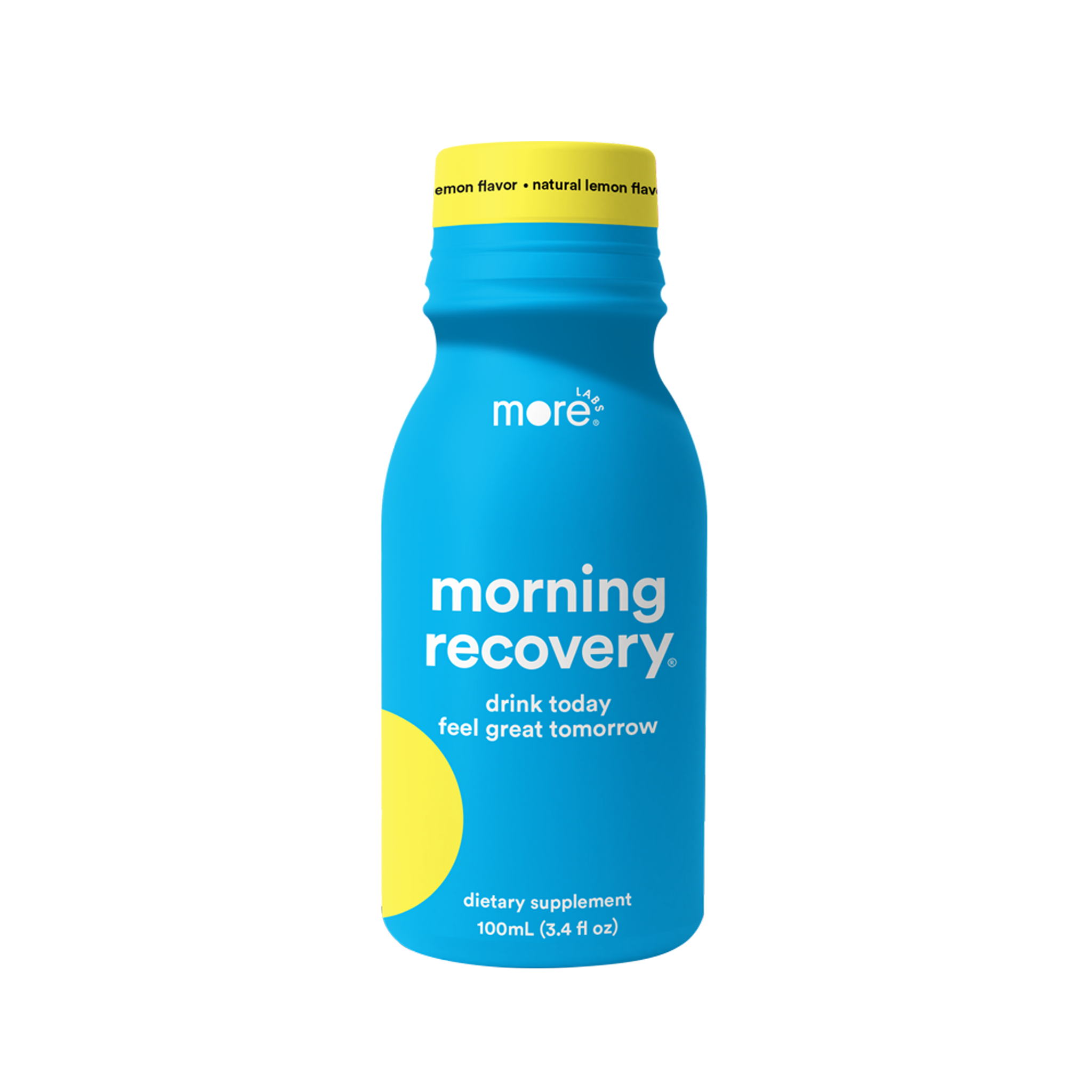
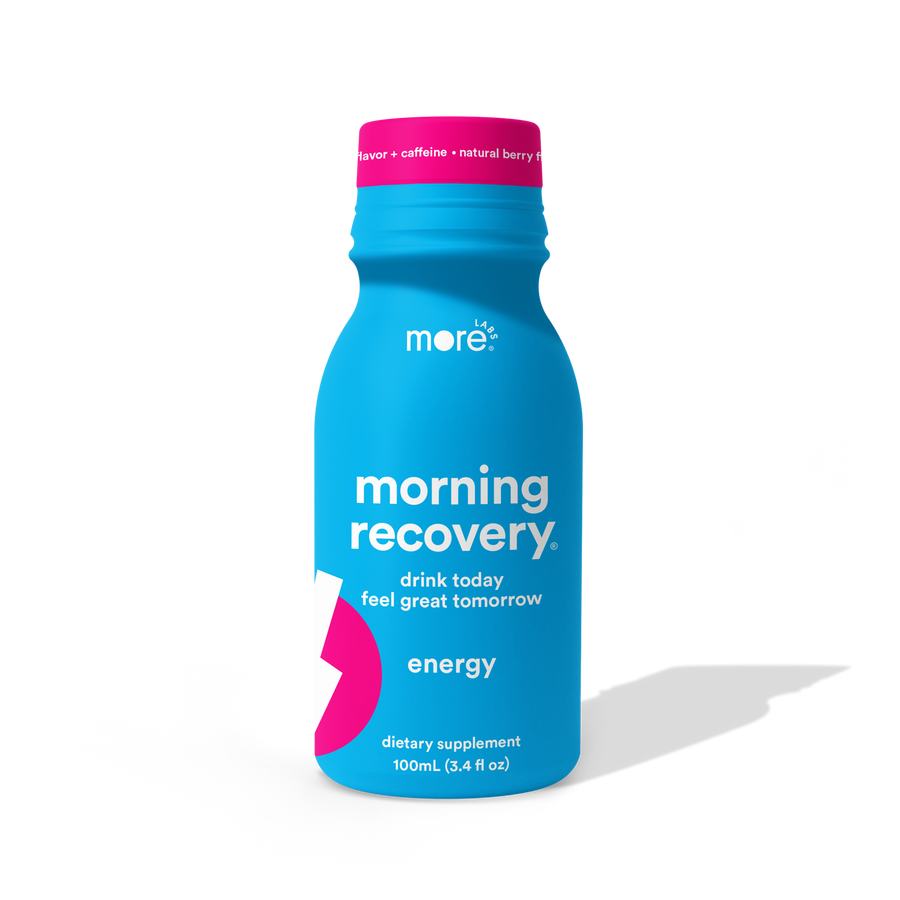
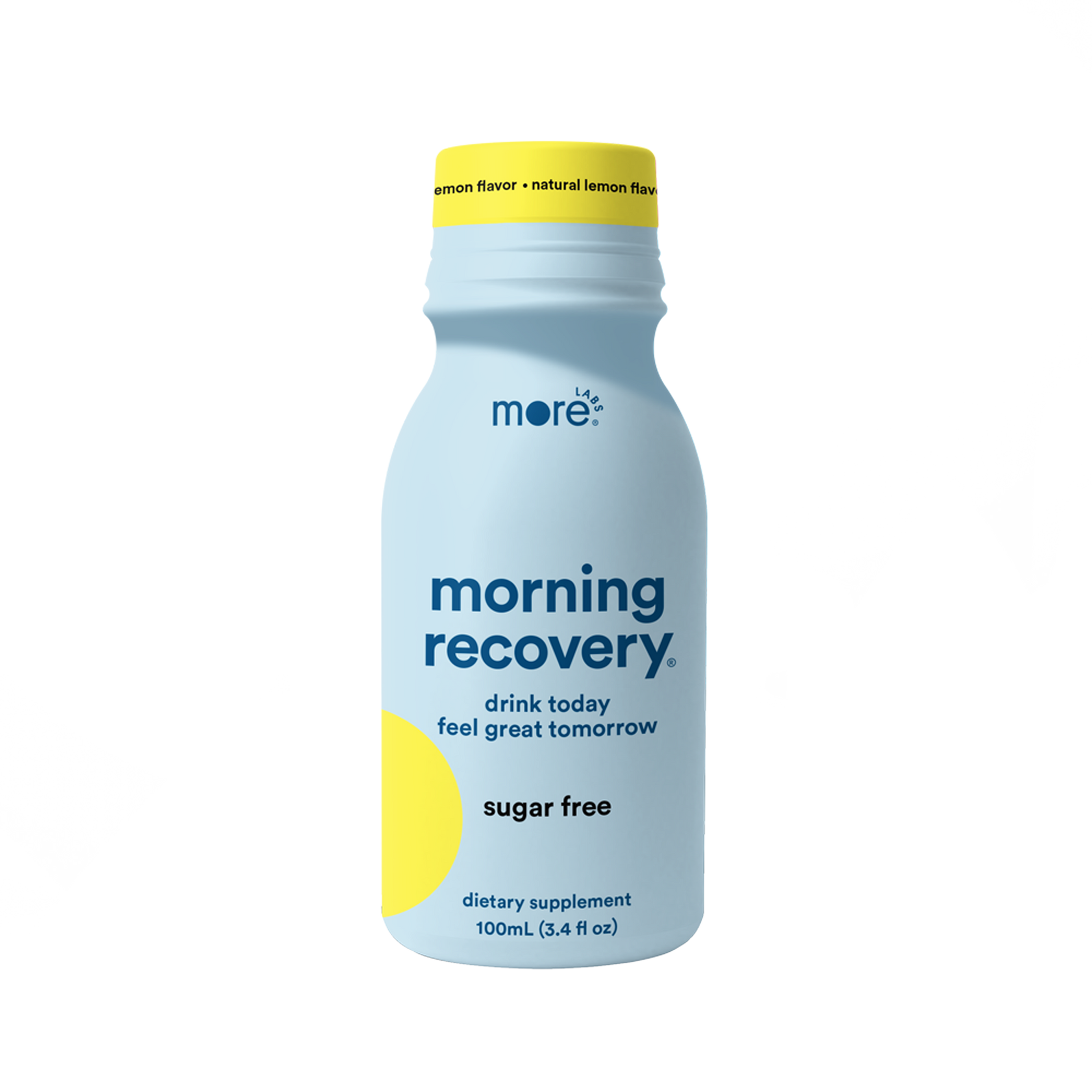
For adults who choose to drink, Morning Recovery dietary supplement can also be part of that plan. Its clinically studied formula is designed for next-day symptom support and should be taken before your first drink or while drinking.
In a randomized, double-blind, placebo-controlled clinical study, participants reported feeling up to 80% better across next-day symptoms, including occasional headache, heart-pounding, concentration problems, and clumsiness, compared with those taking placebo.
Morning Recovery can be used alongside basics such as food, water, pacing, and sleep. Its studied benefit is next-day symptom support, not exercise recovery or sports performance.
FAQs
How long after drinking can I exercise?
There isn’t a universal waiting period. Exercise only when you’re fully sober, steady, nourished, hydrated, and free of concerning symptoms.
Can exercise help sweat alcohol out?
No. Exercise doesn’t speed alcohol clearance; only time allows your body to finish metabolizing it.
Is a light workout okay the morning after drinking?
Possibly, if you are fully sober and symptom-free. Start below your usual intensity and stop if symptoms appear.
Does alcohol ruin muscle recovery?
Heavy intake may reduce muscle protein synthesis, but the effects of smaller amounts are less clear, and research is limited.
Can I lift weights after one drink?
Postpone lifting whenever alcohol affects balance, judgment, reaction time, alertness, or your ability to use equipment safely.
Let Readiness Choose the Workout
If alcohol still affects coordination or judgment, wait. The next morning, let your readiness guide your workout rather than exercising as punishment or trying to “sweat it out.”
Rest if symptoms are still present. If you’re fully sober and well, begin below your usual intensity. Being consistent also means knowing when to move a workout.
For adults who choose to drink and want to plan thoughtfully for tomorrow, explore Morning Recovery dietary supplement as part of a responsible routine.
Disclaimer:
† These statements have not been evaluated by the Food and Drug Administration. These products are not intended to diagnose, treat, cure, or prevent any disease.
|
The Bottom Line: If alcohol is still affecting you, skip the workout and give your body more time. If you’re fully sober and feeling well the next morning, start easier than usual and let how you feel guide the rest of the session. |


