

How DHM Is Studied: Alcohol Metabolism, GABA Receptors, and the Limits of the Evidence

|
Key Takeaways
|
DHM shows up on after-drinking supplement labels everywhere, but a label alone does not tell you what a finished product can do. Here is a clear look at the ideas most often discussed around DHM, and why product-specific human evidence matters more than mechanism claims.
Biochemistry does not need to feel like it came with homework. In this blog, we’ll unpack how DHM is being studied, where the evidence is strongest, and where the science is still early.
What Can Human Evidence Tell Us About DHM?
DHM is often discussed in connection with alcohol-metabolism enzymes and GABA-A receptor activity. Those discussions do not prove that DHM changes either pathway in people or produces a predictable outcome.
Most DHM mechanism-of-action research is still preclinical. Here is what DHM does not do: it does not prevent intoxication, does not make alcohol safe, and does not replace moderation, food, hydration, sleep, or responsible choices.
Alcohol Metabolism: What Happens After You Drink
When we drink, the body converts alcohol into acetaldehyde, then converts acetaldehyde into acetate, which is easier to handle. Two enzyme families drive this. ADH converts alcohol into acetaldehyde, and ALDH converts acetaldehyde into acetate.
Acetaldehyde gets a lot of attention in after-drinking science because it is a reactive compound the body works to process. That said, next-day effects from alcohol are multifactorial. Acetaldehyde is one piece, not the whole picture.
Why ADH and ALDH Matter
ADH and ALDH are enzyme families central to how the body processes alcohol. Genetics, sex, body size, food intake, drinking pace, medications, and overall health all affect how these enzymes function. Supporting a pathway is not the same as overriding your biology.
Why Acetaldehyde Is Only Part of the Story
Next-day effects can also include sleep disruption, dehydration, inflammatory pathways, stomach irritation, blood sugar changes, and congeners in certain drinks.
Acetaldehyde gets attention, but it is not the whole story. We cannot claim that DHM addresses all of these.
What Research Suggests About DHM and Alcohol Enzymes
Some preclinical research has explored whether DHM may influence ADH and ALDH, the enzyme families involved in alcohol and acetaldehyde metabolism. Findings are mixed. Some suggest potential effects on metabolism-related pathways, while others question whether DHM clearly changes alcohol-processing outcomes in humans.
Evidence needs ranking. Lab data offers mechanistic clues, animal data offers early biological signals, human data is most relevant to claims, and formula-specific human data is most relevant to a product.
Researchers have investigated whether DHM influences these pathways. That is not the same as saying dihydromyricetin alcohol metabolism research proves faster processing in humans. No supplement cancels alcohol’s effects, judgment changes, coordination issues, or next-day symptoms, and none should be framed as permission to drink more.
The GABA Connection: Why Alcohol Affects the Brain
GABA is a neurotransmitter that helps reduce nerve activity. Alcohol can influence GABA-A receptor signaling, which partly explains why it may feel relaxing or sedating. GABA is not good or bad. It is part of the brain’s balance system.
What Are GABA-A Receptors?
Receptors are docking sites that help cells respond to signals. GABA-A receptors are one type involved in inhibitory signaling. Think of them as dimmer switches for certain brain signals, not an on-off button.
How Alcohol Can Shift Brain Balance
Alcohol can shift GABA-related signaling while drinking and may contribute to how the brain feels afterward. This may help explain why researchers are interested in DHM GABA receptor research.
This does not mean DHM should be framed as addressing next-day mood, withdrawal-related concerns, or any medical condition.
What Research Suggests About DHM and GABA Receptors
Research on DHM GABA receptors has mostly focused on potential interactions with GABA-A receptors in preclinical models. These findings may explain why DHM became part of after-drinking research and can help shape better human studies. They do not translate animal behavior or receptor recordings into human outcomes.
Rodent models, cell work, dosing differences, lab conditions, and bioavailability all limit how far the findings reach. Mechanism is not outcome, and that distinction matters when evaluating any formula.
Why Formula-Level Evidence Matters More Than Bioavailability Talk
Bioavailability language can sound convincing, but it does not tell you what a finished product will do. Product-specific human evidence is more useful than assumptions based on a single ingredient.
Product format, formulation, timing, and ingredient combinations may all affect what the body actually receives.
Ingredient Vs. Formula: Why "DHM Works" Is Too Simple
A single-ingredient claim is different from a formula-level claim. Different products use different sources, doses, blends, and formats. What a study on isolated DHM shows is not automatically what a finished product delivers.
Why Product-Specific Evidence Matters
A generic DHM claim needs ingredient-level human evidence. A claim about hovenia dulcis extract depends on the exact extract and dose. A finished product claim should be tied to product-specific human data.
Why Combining Ingredients Is Not Automatically Better
Product-specific human data is far more relevant to what a consumer can reasonably expect. More ingredients do not automatically mean stronger results. The finished formula should be evaluated as a whole, with evidence to match.
What the Morning Recovery Clinical Study Found

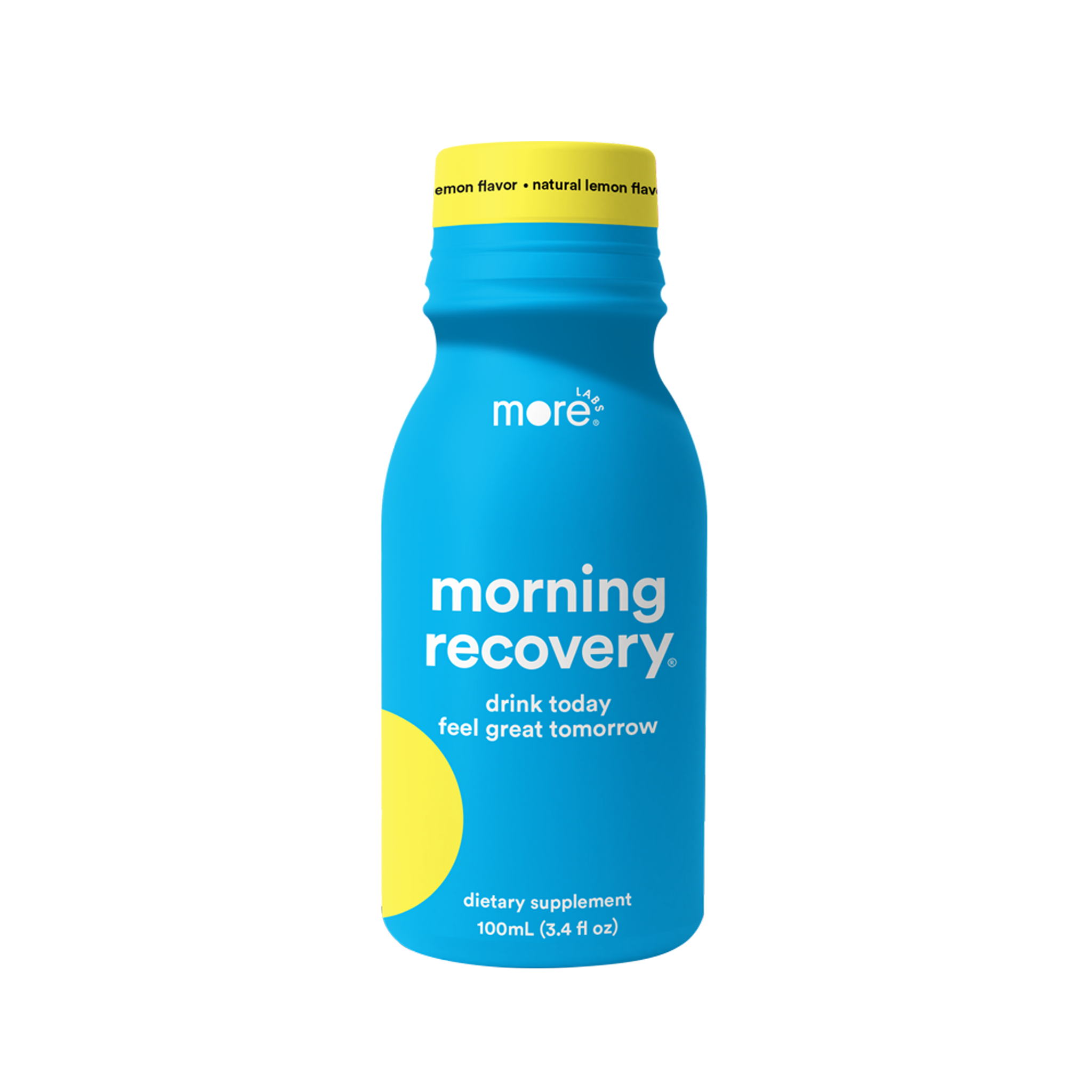
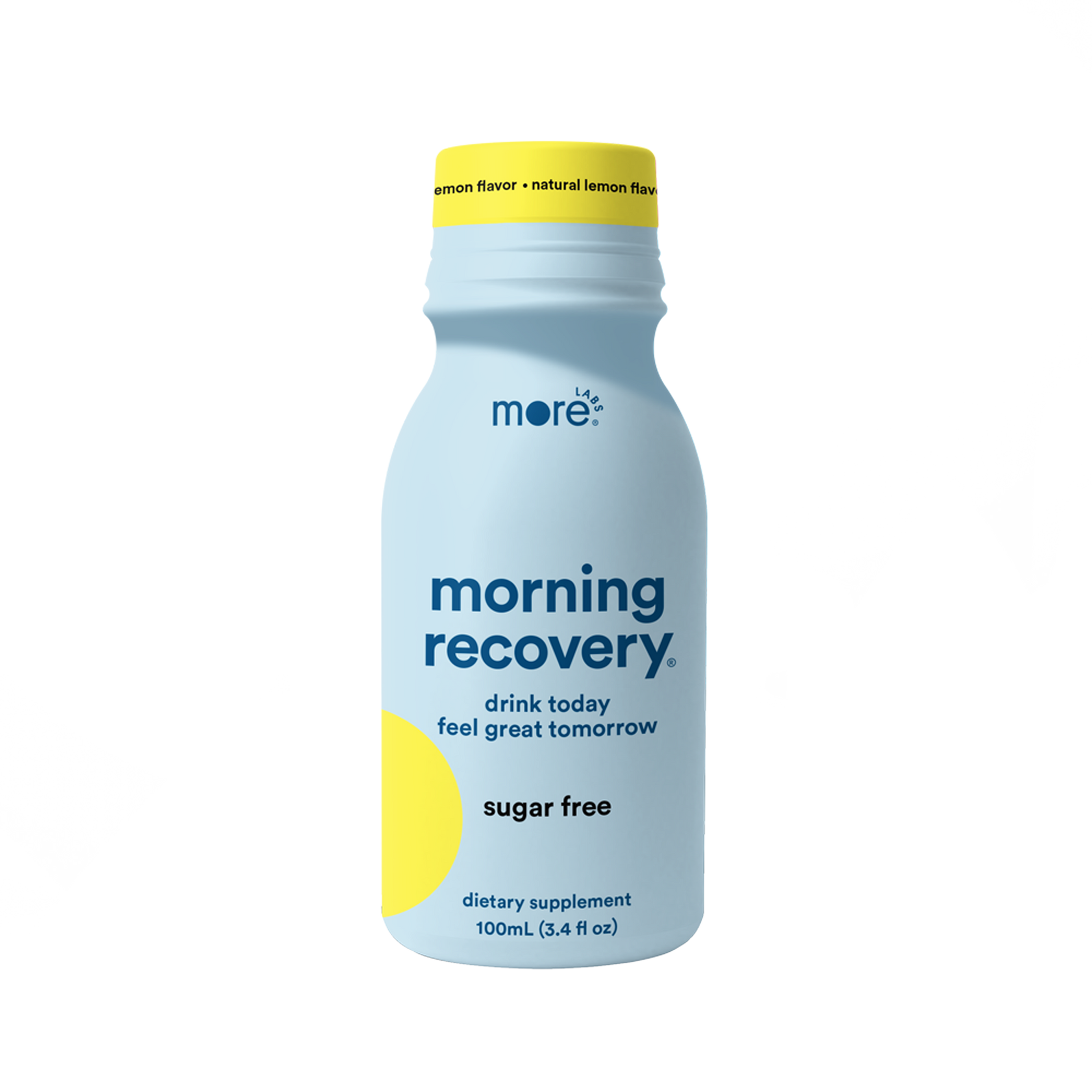
Morning Recovery dietary supplement uses a clinically studied formula. In a randomized, double-blind, placebo-controlled clinical study, users reported feeling up to 80% better across next-day symptoms, including headache, heart-pounding, concentration problems, and clumsiness, compared with those taking a placebo. Any reported benefit is attributed to the formula as a whole, not to any single ingredient.
Morning Recovery dietary supplement will not prevent intoxication or enhance sobriety. For best results, take it before or while drinking, as directed. We recommend consulting a qualified healthcare professional before adding any supplement to your routine, especially if you take medications.

What DHM Does Not Do
DHM does not make alcohol harmless. It does not prevent intoxication, enhance sobriety, or replace sleep, food, hydration, or responsible drinking.
It is not a treatment for any medical condition. Smart support still starts with smart choices.
FAQs
Can DHM make alcohol safer?
No. DHM does not prevent intoxication, enhance sobriety, or replace responsible drinking choices.
What does research say about DHM and alcohol metabolism?
Human evidence does not establish that DHM speeds alcohol metabolism on its own. Product claims should rely on human data for the finished formula.
What are ADH and ALDH?
ADH helps convert alcohol into acetaldehyde, while ALDH helps convert acetaldehyde into acetate.
Is DHM enough by itself?
No single ingredient should be used as a reason to expect a specific outcome. Product-specific human evidence and responsible drinking choices matter more.
Make DHM Part of a Smarter After-Drinking Routine

DHM is widely discussed in the category, but a single ingredient cannot tell you what a finished product will do. Human evidence on the complete formula matters more.
Morning Recovery dietary supplement contains Hovenia dulcis extract (contains DHM) as part of its clinically studied formula. Any reported benefit is attributed to the formula as a whole, not to DHM alone.
Disclaimer:
† These statements have not been evaluated by the Food and Drug Administration. These products are not intended to diagnose, treat, cure, or prevent any disease.
|
The Bottom Line: Mechanism research can be interesting, but it does not prove what DHM will do for a person. Look for product-specific human evidence, follow responsible drinking habits, and treat single-ingredient claims with caution. Morning Recovery dietary supplement uses a clinically studied formula, with any reported benefit attributed to the formula as a whole. |


