

How Alcohol Depletes B Vitamins (and What That Means for Your Morning)

|
Key Takeaways
|
You wake up after drinking feeling off, slower than usual, and not exactly ready for the day. A heavy head and that vague sense of “why do I feel so wiped?” can make the morning feel harder than it should. It's easy to blame dehydration alone, but the story is a bit more complete than that.
Alcohol can affect how the body absorbs, uses, and loses certain nutrients, including some B vitamins. In this blog, we’ll explain the broader B-vitamin conversation, what food-first support can look like, and how a smarter before-and-after drinking routine can help.
Why B Vitamins Matter in the Body
B vitamins are the behind-the-scenes helpers your body relies on for energy metabolism, nervous system function, and normal cellular processes. They do not erase alcohol's effects or speed up how your body processes it. They are not a shortcut to sobriety.
Feeling drained after drinking is not only about hydration. Nutrients, sleep, food quality, and how much you drank all play a role. Your body is not asking for a miracle. It is asking for basics.
How Alcohol Can Affect B Vitamin Status
The connection between alcohol and B vitamins usually shows up in three ways:
-
People may eat less nutrient-dense food when drinking.
-
Alcohol can interfere with how the gut absorbs certain vitamins.
-
The body may excrete more water-soluble nutrients than usual.
Heavier or repeated drinking raises more concern than occasional moderate drinking. Changes in nutrient status are not always immediate or dramatic, but repeated patterns can add up over time.
Skipped Meals Can Mean Fewer Nutrients
Alcohol can displace meals or lead to lower-quality food choices. Think about skipping dinner before drinking, grazing on salty snacks instead of a real meal, or waking up without much appetite. Fewer nutrients going in means fewer nutrients available, which is not ideal when your body is already working through alcohol.
Your Body May Absorb and Lose Nutrients Differently
Beyond what you eat, alcohol may affect how well the digestive system absorbs B vitamins, especially with repeated intake. The kidneys can also excrete more of certain water-soluble nutrients when alcohol is present. These are general patterns worth understanding, not a diagnosis of what is happening in any individual body.
Why Thiamine Gets the Most Attention
Thiamine, also known as vitamin B1, is often discussed in connection with heavy or frequent alcohol use and deficiency risk. It matters in the broader nutrition conversation, but it is not included in the Morning Recovery dietary supplement formula.
If you are concerned about B-vitamin deficiency, drink frequently, or notice symptoms that worry you, please speak with a healthcare professional. That is the right next step, not something to solve from a supplement label.
Other B Vitamins That Alcohol Can Affect
A few B vitamins are worth understanding in the broader nutrient conversation after drinking, especially because food is still the most reliable starting point:
-
B6: Involved in nervous system function and normal metabolism.
-
Folate: Involved in cell function and normal blood processes.
-
B12: Supports normal nerve function, blood cells, and energy metabolism. Common sources include eggs, dairy, fish, and meat.
Food-First Note: A balanced breakfast cannot undo the effects of drinking, but it gives you more to work with than black coffee alone. Eggs, yogurt, fruit, and oats give your body nutrients to work with.
What This Means for Your Morning

Nutrition is one part of the bigger picture after drinking, alongside water, food, sleep, moderation, and time. No single vitamin makes low energy or fogginess disappear on its own. A simple morning plate of eggs or yogurt, fruit, oats or toast, and a large glass of water is a solid place to start.
A supplement can support a routine, but it should not replace real food or responsible drinking.
How Morning Recovery Supports Planning Ahead
If you want a more intentional routine, the better window is before or while drinking. That is where planning actually helps.
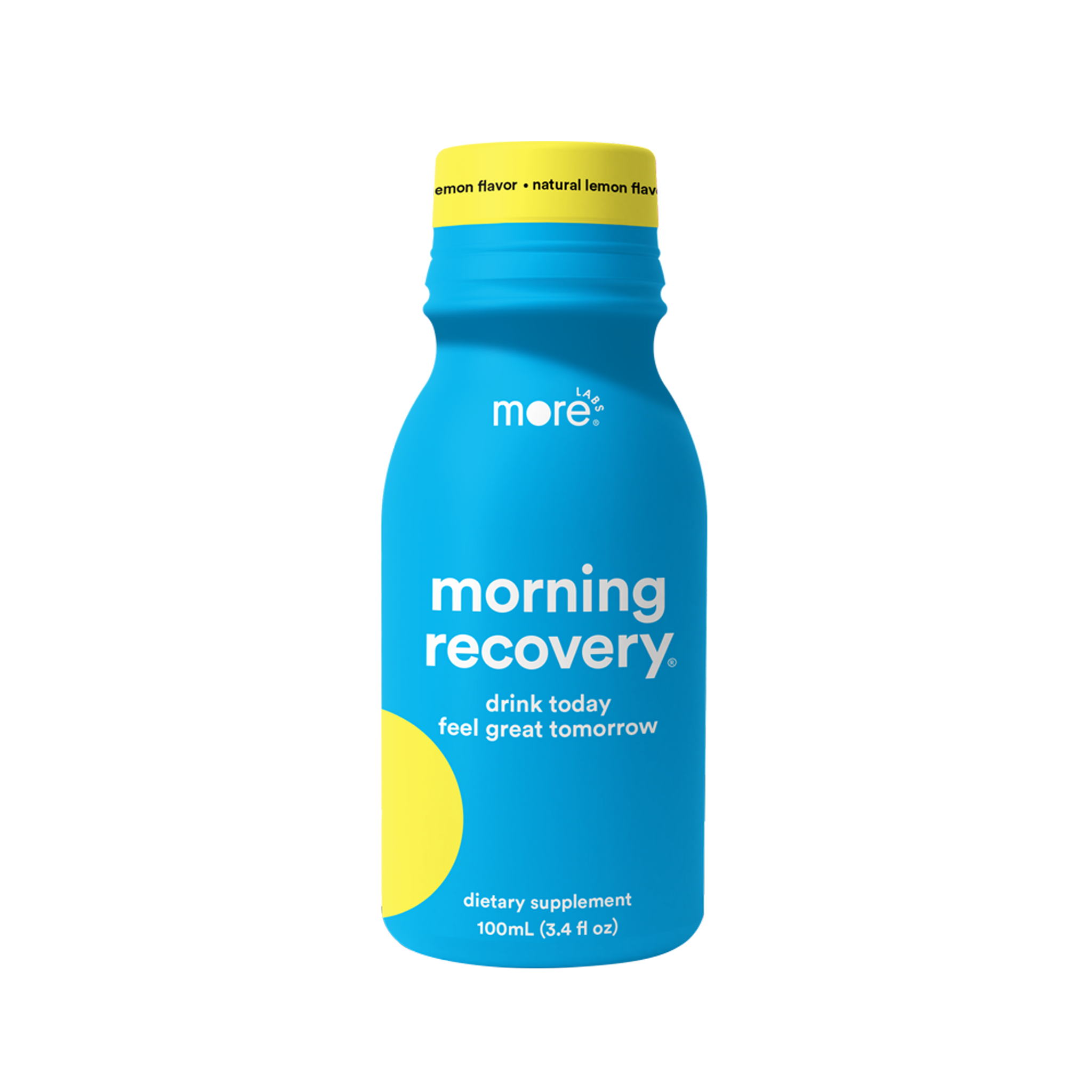
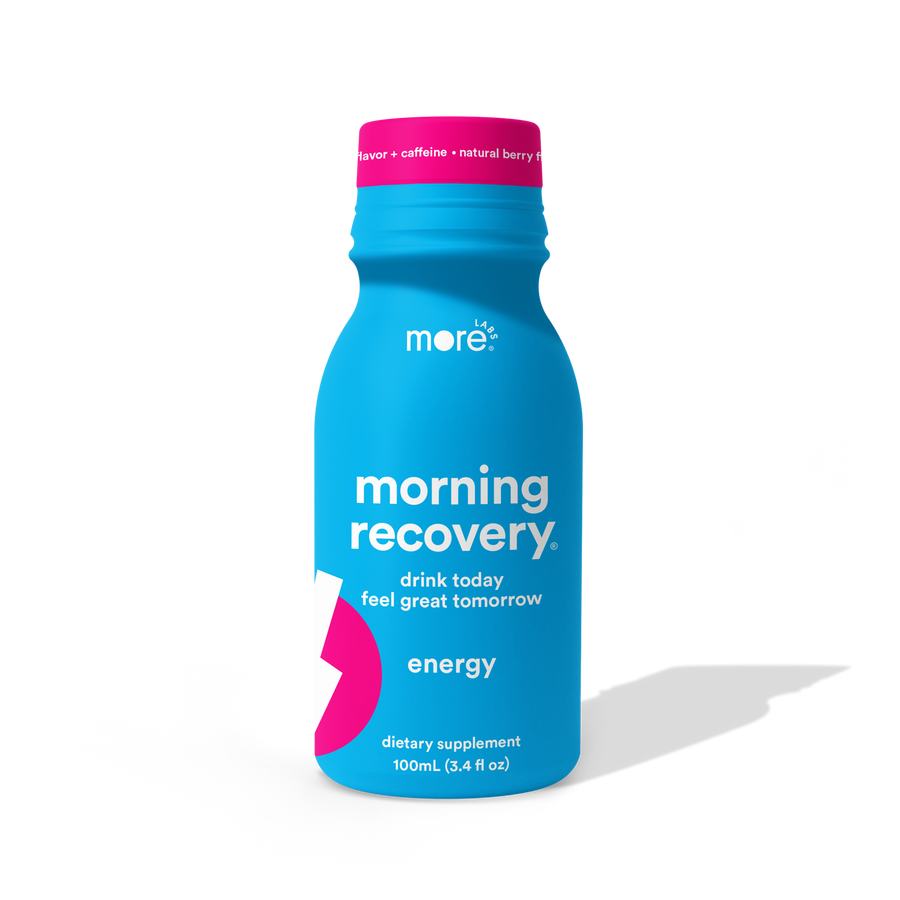
Morning Recovery dietary supplement includes select B vitamins and vitamin C as part of a clinically studied formula designed to be taken before the first drink or while drinking. It does not contain thiamine, or vitamin B1, so any discussion of B1 should be understood as broader nutrition education, not a Morning Recovery product claim. The formula should be understood as a whole, not as a single-vitamin or single-ingredient fix.
In a randomized, double-blind, placebo-controlled study, users reported feeling up to 80% better across next-day symptoms, including headache, heart pounding, concentration problems, and clumsiness, compared with those taking a placebo. Those results reflect the whole formula, not any single ingredient.
To be clear, Morning Recovery dietary supplement does not prevent intoxication, enhance sobriety, replace food, or make overdrinking harmless. It’s a science-backed option for adults who want to plan before or while drinking.

A Smarter Before-and-After Drinking Routine
Here is a compact checklist that puts everything together:
-
Eat a real meal before drinking.
-
Pace your drinks and sip water while drinking.
-
Avoid overdoing caffeine, which can mask tiredness without giving your body food, water, or rest.
-
Take Morning Recovery dietary supplement before your first drink or while drinking if you want a planned support option, following the product label.
-
Eat a balanced breakfast the next morning, such as eggs, dairy, salmon, chicken, leafy greens, beans, fortified grains, or yogurt, which can provide a range of nutrients, including B vitamins from food.
-
Listen to your body and drink responsibly.
The goal is to give your body steady support before, during, and after drinking.
FAQs
Does alcohol deplete B vitamins?
Alcohol can affect B vitamin status by reducing intake, interfering with absorption, and increasing nutrient loss, especially with frequent or heavy drinking.
Which B vitamin is most connected to alcohol?
Thiamine, or vitamin B1, is often discussed in relation to heavy or frequent alcohol use and deficiency risk, but it is not part of the Morning Recovery dietary supplement formula.
Should you take B vitamins after drinking?
Food-first support is a smart starting point for most people. Anyone concerned about a deficiency or frequent drinking should speak with a healthcare professional.
Does Morning Recovery replace B vitamins from food?
No, Morning Recovery dietary supplement can fit into a planned before-or-while-drinking routine, but it does not replace balanced meals, B vitamins from food, or responsible drinking habits.
Support Your Morning Before It Starts With More Labs

Alcohol can affect nutrient status through reduced intake, disrupted absorption, and increased excretion, including changes related to some B vitamins. A smarter plan starts before your first drink, with food, pacing, water, and an intentional routine. Build that smarter routine with Morning Recovery dietary supplement before your first drink or while drinking.
Plan ahead with Morning Recovery dietary supplement before your first drink or while drinking.
Disclaimer:
† These statements have not been evaluated by the Food and Drug Administration. These products are not intended to diagnose, treat, cure, or prevent any disease.
|
The Bottom Line: Alcohol can affect nutrient status through food choices, absorption, and nutrient loss, including some B vitamins. But the answer is not simply taking a supplement the next morning. Start with the basics, such as eating well, hydrating, resting, and planning ahead. Morning Recovery dietary supplement can fit into the before-or-while-drinking part of that routine, not as a replacement for real food, thiamine from food, or responsible habits. |


