

The Science of Adenosine: Why You Feel Mentally Drained by Midday and What to Do About It

|
Key Takeaways
|
It is 2:47 PM. Your inbox is loud, your brain is buffering, and another coffee is starting to look like your only option. We have all been there. The afternoon energy slump is one of the most common experiences in adult working life, and it often has more to do with biology than willpower.
In this blog, we’ll break down the real science, including adenosine, circadian rhythms, post-lunch slump, caffeine, and what you can actually do about it.
What Adenosine Does in the Brain
Adenosine is a chemical signal that builds up while you are awake. The longer you stay awake, the more sleep pressure you feel. It is your brain’s way of letting you know that rest is becoming more important.
Sleep helps reduce that pressure. Caffeine can temporarily block adenosine receptors, which may make you feel more alert, but it does not remove the need for sleep.
Adenosine is not a toxin or something your body needs to fight. It belongs in a healthy sleep-wake system. After a short night, that pressure can feel stronger, showing up as slower thinking, harder focus, or irritability. No supplement fixes sleep debt, but knowing the pattern helps.
Circadian Rhythm Alertness Dip: Your Built-In Afternoon Slowdown
Your circadian rhythm is your body’s internal timing system, and your alertness naturally changes throughout the day. Many people experience a dip in circadian alertness in the early to mid-afternoon, even when lunch is not the cause.
Chronotype can shift the timing. Morning people and night people may feel it at different hours, but the dip is human, not a personal failing.
Between about 2-4 PM, the afternoon energy slump may show up as difficulty concentrating, slower replies, repeated reading, or feeling less engaged at your desk.
Sleep quality, food, light exposure, movement, and caffeine timing can all influence how noticeable it feels. Rather than relying on willpower alone, it helps to respond to those signals with practical habits.
Post-Lunch Slump Science: Is It Really the Meal?

Post-lunch slump is more complicated than simply saying that food makes you sleepy. Lunch can influence how you feel in the afternoon, but it is usually only one part of the picture.
Portion size, meal balance, long gaps between meals, and the types of carbohydrates, protein, fiber, and fat you eat can all affect your energy.
|
Lunch Type |
Likely Outcome |
|
Heavy, low-fiber meal |
More likely to feel sluggish |
|
Balanced protein, fiber, and fat |
Steadier energy |
|
Skipped lunch |
Low energy or cravings later |
|
Caffeine only, no food |
Short-term alertness, no real nourishment |
The goal is to build a meal that helps you feel fueled without making the afternoon harder.
The Better Lunch Formula for Afternoon Focus
For a natural energy boost in the afternoon, aim for protein, fiber-rich carbs, healthy fats, and water. Grain bowls, eggs on toast, chicken salad wraps, lentil soup, or yogurt with fruit all count. Realistic beats perfect.
Why Skipping Lunch Can Backfire Too
Skipping lunch can backfire too. Under-fueling can feel like fatigue, fogginess, or irritability. If the slump hits hard, track what you ate, caffeine timing, last night’s sleep, and the work you were doing.
When the afternoon slump shows up, look at the full picture, not just the meal on your plate.
Caffeine and Adenosine Receptors: What Coffee Actually Does
Caffeine works by blocking adenosine receptors, which can temporarily support alertness. It is a receptor blocker, not an energy creator. The adenosine is still there, waiting.
What caffeine can do:
-
Support alertness for many people
-
Temporarily block adenosine receptors
-
Feel different from person to person
What caffeine cannot do:
-
Replace sleep
-
Erase sleep pressure
Afternoon caffeine can also boomerang at night. For some people, going to bed late makes it harder to fall asleep or sleep deeply, which can worsen the afternoon energy slump the next day.
The 90-minute caffeine rule may help some, but sleep quality, total caffeine, bedtime timing, and your own response matter more.
What to Do When the Afternoon Slump Hits
When the afternoon slump hits, match the fix to the driver. Different drivers need different fixes.
If You Feel Sleepy, Get Light and Movement
Step outside for 5-10 minutes or sit near bright natural light. Add a short walk, stairs, stretching, or standing call. It sends a real wake-up signal without piling on a big caffeine dose.
If You Feel Foggy, Change the Task
Move from heavy analytical work to something lighter for 10 minutes, then return to it. Reply to simple emails, organize notes, close tabs, or outline the next step. That can reset attention without more caffeine.
If You Feel Hungry or Wired, Stabilize First
Try water plus protein and fiber, such as Greek yogurt with nuts and fruit, hummus with vegetables, or a boiled egg. Food cannot address persistent or unexplained fatigue, but under-fueling can make an afternoon slump feel worse.
If You Can Nap, Keep It Short
A short nap can reduce sleep pressure and support alertness. Longer naps may cause grogginess or disrupt bedtime, so use naps as a tool, not a fix for ongoing sleep deprivation.
The most effective afternoon reset is the one that responds to what your body actually needs.
How to Use Caffeine More Strategically

Caffeine works best when it has a job. Match it to the task, watch the timing near bedtime, and use less if jitters or overstimulation show up.
Food and water can make the experience feel steadier. Caffeine and L-theanine are often paired, but the combination does not feel the same for everyone.
When a Planned Focus Drink Makes Sense
For work tasks like meetings, creative work, problem-solving, or mentally demanding deadlines, a planned caffeine option can fit.
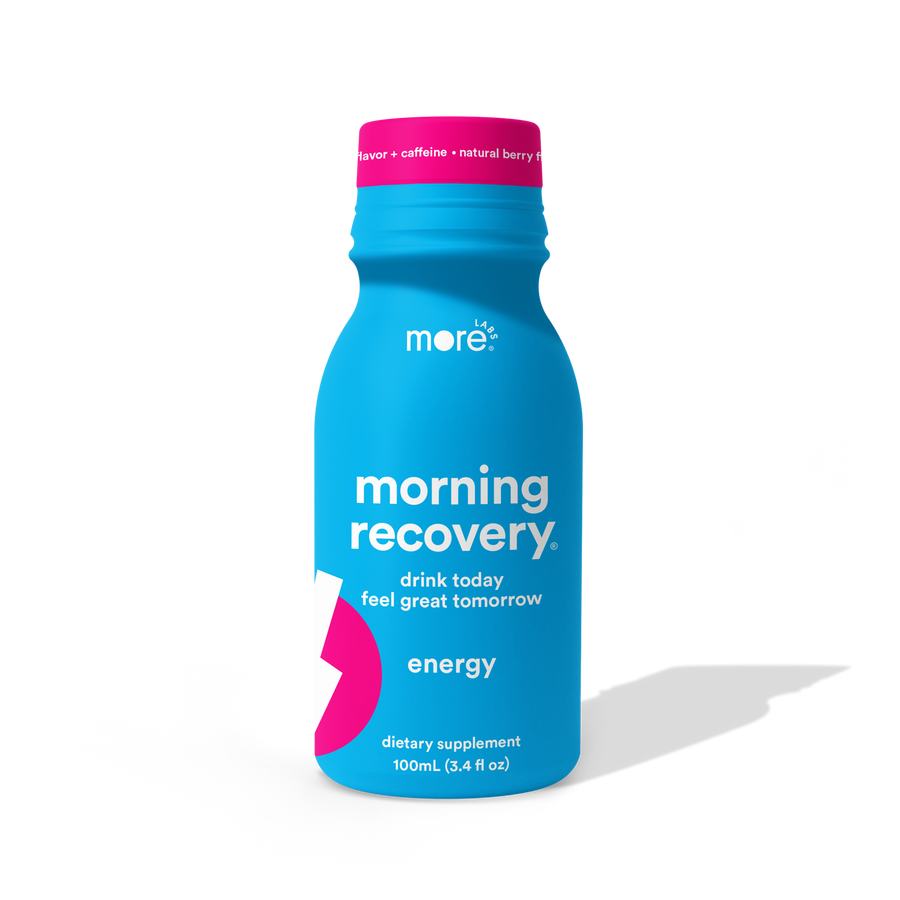
Liquid Focus from More Labs contains caffeine and L-theanine and is designed to support focus and energy. Take it as directed and consult a qualified professional before adding any new supplement to your routine.
When Caffeine Is Not the Right Fix
If it is late, or you feel jittery, dehydrated, hungry, or already over-caffeinated, skip more caffeine. Try a light activity, a short walk, a snack, water, a brief nap, or a task switch for a natural energy boost in the afternoon.
Caffeine is most useful when it supports a clear need, not when it is used to override signals that call for rest, food, or hydration.


When Afternoon Slump Deserves More Attention
An occasional afternoon dip is common and normal. Persistent or severe fatigue is worth discussing with a qualified professional.
Signs worth paying attention to include unintentional sleep episodes, drowsy driving, dizziness, noticeable mood changes, heavy snoring, poor sleep despite enough time in bed, or fatigue that disrupts daily life.
FAQs
What causes the afternoon energy slump?
It is usually a mix of adenosine buildup, circadian rhythm changes, sleep quality, food choices, movement levels, light exposure, and caffeine timing.
Is post-lunch fatigue always caused by lunch?
No. Lunch can contribute, but the afternoon alertness dip can happen even without a heavy meal.
How does caffeine affect adenosine?
Caffeine temporarily blocks adenosine receptors, which can make you feel more alert, but it does not remove adenosine or replace sleep.
What is a natural energy boost for the afternoon?
Bright light, a short walk, water, a balanced snack, task switching, and a short nap can all help depending on what is driving the slump.
Why does coffee sometimes make my afternoon crash worse?
Too much caffeine, late timing, poor sleep, jitters, or under-fueling can make caffeine feel less smooth and may affect sleep quality later.
Make Your Afternoon Work With Your Brain
The afternoon energy slump is biology plus behavior, not a character flaw. Adenosine builds, circadian alertness dips, and lunch and sleep can amplify both. Caffeine is a tool, not the whole plan. The practical moves include light, movement, food, sleep, and smarter timing of caffeine, all within reach.
For adult workdays when timing fits and mental performance is the goal, Liquid Focus dietary supplement from More Labs is designed to support focus and energy.
Need a smarter way to meet your afternoon head-on? Keep the habits, time your caffeine wisely, and explore Liquid Focus from More Labs for mentally demanding adult workdays.
Disclaimer:
† These statements have not been evaluated by the Food and Drug Administration. These products are not intended to diagnose, treat, cure, or prevent any disease.
|
The Bottom Line: The afternoon energy slump is not a willpower problem. Start with the basics: light, movement, food, sleep, and caffeine timing. When a planned caffeine option fits an adult workday, Liquid Focus can support focus and energy as part of that routine. |


