

Milk Thistle Benefits: What Research Actually Says (Silymarin, Dose, Safety)

|
Key Takeaways
|
Milk thistle and “liver-support” products are having a moment right now, but what’s actually true about them? There’s a lot of hype around milk thistle, so it helps to focus on the basics: the format you’re taking, how much silymarin you’re getting per capsule or serving, and whether it may interact with medications.
In this blog, we will break down the available evidence from human trials on milk thistle supplements, including safety, dosing context, and potential interactions.
Milk Thistle Labels: What Silymarin Means
Milk thistle is an herb. Silymarin refers to the group of flavonolignans found in the plant’s seeds. It’s the part of milk thistle that has been studied most in human populations. And that matters to you when you’re reading labels.
The reason is quite simple. Standardized extracts contain a consistent dose of a specific compound, in this case, silymarin. But not all formulas use standardized milk thistle, and some labels may list milk thistle without specifying a standardized silymarin amount.
Teas, powders, or extracts made from milk thistle can contain different amounts of silymarin, depending on the plant. So, two products can both say “milk thistle” on the label but contain very different actual amounts of silymarin, which is the important part that researchers focus on.
If the label lists the silymarin amount and notes that it’s a standardized extract, you’re closer to what’s been tested in humans, not a best guess.
Milk Thistle Benefits: What Human Studies Show
It’s important to separate what human research has consistently supported from what remains speculative. People mention milk thistle benefits mostly in terms of research that relates directly to biomarkers or other measures of reported symptoms; they do not expect any miracle cures overnight.
Liver-Related Markers In Human Trials
Human studies on silymarin primarily focus on liver markers (ALT, AST, ALP), with variable results depending on the dose, treatment duration, and patient population. Some studies report positive effects, whereas others have been unable to demonstrate improvement. This inconsistency makes it hard to make broad and positive statements about the benefits of silymarin.
Taken together, silymarin may help support healthy liver-related biomarkers for some people, but it isn’t a treatment or cure. Most research examines regular daily use over a set period, so single-dose expectations don’t align with the data.
Metabolic Markers: Emerging Evidence
Only a limited number of human studies are available to assess the effect of silymarin on cardiometabolic markers alongside standard treatment approaches. The results have been mixed, depending on participants' overall health status. This is an area of interest, but currently, there are too many uncertainties to make unequivocal statements about the efficacy of silymarin as a standalone product in this context.
What to Watch For in Marketing Claims
Be cautious about marketing language that promises an overnight solution or a way to quickly “reset” your body or correct the damage done to your body. Most of these claims go well beyond the evidence from human studies and are therefore really just exaggerated claims with little to no benefit.
If you’re considering a supplement, look for a product with clear milk thistle labeling (and a listed silymarin amount, if provided) plus credible third-party testing. If you take medications or manage a condition, check with a healthcare professional first.
Dose and Absorption: Why Form and Amount Matter

Silymarin has one major known limitation: it has poor bioavailability. Its low water solubility can limit absorption. Labels that list a standardized amount of a specified compound (often expressed as a % silymarin) are usually more informative than labels that only say “milk thistle.”
Across the human trials reviewed, silymarin is generally described as well-tolerated at the studied doses when taken over time. That matters because most of the data reflects consistent use over a defined period, not a single serving.
Key Takeaway: There’s no universal dose. Absorption varies, and labels don’t always tell the full story. Effects are context-dependent and not guaranteed.


Safety and Interactions: When to Ask a Pro
Milk thistle supplements are commonly used, and “natural” doesn’t automatically mean risk-free.
- Mild gastrointestinal side effects can occur for some people. If you’re in doubt, it’s best to check with a healthcare professional first.
- Allergy considerations matter too, especially if you have sensitivities to plants in the same family.
- Evidence for use during pregnancy, breastfeeding, or in children is limited, so it’s worth checking with a healthcare professional before using it.
The big one is interactions. Silymarin has been investigated for its impact on drug-metabolizing enzymes. That’s relevant if you’re taking medications or managing an existing health condition. The recommendation here is simple. If you’re taking medications, it’s best to ask your healthcare provider first.
Third-Party Testing: Choosing a Quality Supplement
Third-party testing is your key to confidence. In simple terms, it means an independent testing organization verifies that the label claims actually match what is inside the product, as well as testing for undesirable ingredients or contaminants.
This can include claim verification, contaminant screening, and the specifics vary by program. The point is simple: it’s verification beyond what the label says. To quickly evaluate any milk thistle supplement, look for:
- Standardized extract information with silymarin clearly listed
- Clear serving size and directions
- A credible third-party testing or certification record
If a label is vague or skips testing details, take that as a signal to keep looking. A standardized extract plus credible third-party testing is a solid baseline before you decide what’s worth your money.
Milk Thistle in Real Life and Morning Recovery

In real-life settings, the most common use of milk thistle supplements is for general liver support goals. The ingredient can also show up in occasion-based wellness routines that may involve alcohol consumption, with the goal being next-day support, not overnight miracles.
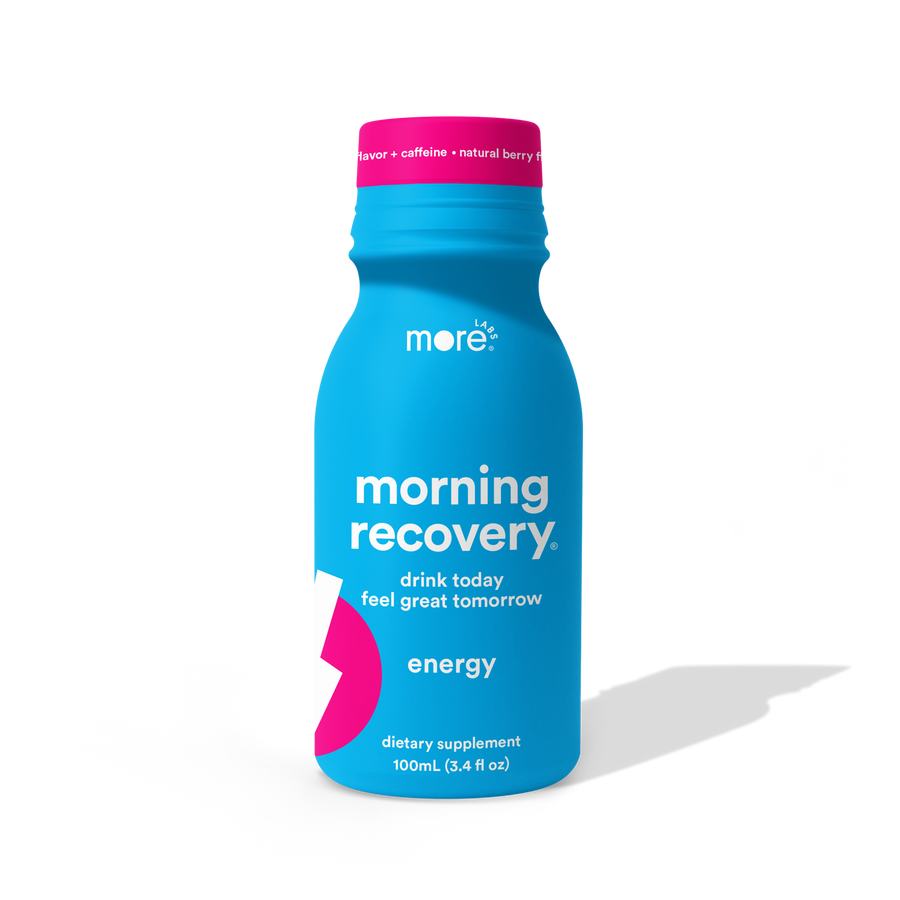
More Labs includes milk thistle as a component of its Morning Recovery dietary supplement. However, at the amount included, it’s not positioned as a liver-benefit ingredient on its own, and any reported results are tied to the clinically studied formula as a whole rather than milk thistle alone.
Morning Recovery is a clinically studied formula designed for drinking occasions. In a randomized, double-blind, placebo-controlled study, compared with placebo, users who took it after drinking reported feeling up to 80% better across next-day symptoms, including headache, heart-pounding, concentration problems, and clumsiness.
For best results, the Morning Recovery dietary supplement is intended to be taken before drinking begins or while drinking.
Build A Smarter “Support” Plan
Milk thistle benefits aren’t imaginary, and they’re definitely not magic. There’s human clinical research behind silymarin, but standardization, dose, and context matter, and so do safety and potential interactions.
If you want a clinically studied formula for drinking occasions, consider the Morning Recovery dietary supplement and follow its on-page directions for timing.
Explore the Morning Recovery dietary supplement and see if it fits your routine.
FDA Disclaimer:
† These statements have not been evaluated by the Food and Drug Administration. These products are not intended to diagnose, treat, cure, or prevent any disease. Consult a healthcare professional if you take medications or have a medical condition.
|
The Bottom Line: Milk thistle isn’t hype, but it’s not a shortcut. Research on silymarin points to support, not quick fixes. Outcomes depend on the form, how clearly the dose is defined, and whether it fits your personal health context. Used thoughtfully as part of a science-backed routine, it can make sense. |


