

Why Does Alcohol Affect Everyone Differently?

|
Key Takeaways
|
Have you ever watched two people have the same drink and react completely differently?
One person seems fine. The other feels it almost immediately. Even more confusing, the same person can sometimes react differently from one night to the next.
So, why does alcohol affect everyone differently?
The short answer is that alcohol does not move through every body in exactly the same way. Genetics, body composition, food, drinking pace, and your past experience with alcohol can all change what happens after a drink.
Your Body Has to Absorb, Distribute, and Break Down Alcohol
Once you drink alcohol, some of it is absorbed into your bloodstream through your stomach and small intestine.
From there, it moves through body water and reaches different tissues. Your body then has to break it down.
Most alcohol is first converted into acetaldehyde with the help of an enzyme called alcohol dehydrogenase, or ADH. Another enzyme, aldehyde dehydrogenase, or ALDH, then helps process acetaldehyde further.
That basic process is called alcohol metabolism.
The important part is that not everyone absorbs, distributes, and processes alcohol in exactly the same way. How intoxicated you feel can also differ from how much alcohol is actually in your bloodstream.
Genetics Can Change How Alcohol Is Processed
Your genetics can affect the enzymes involved in alcohol metabolism.
Some people have gene variants that change how quickly alcohol or acetaldehyde is processed. One well-known example involves ALDH2, the enzyme that helps break down acetaldehyde.
Reduced ALDH2 activity can allow acetaldehyde to build up after drinking. That can cause symptoms such as facial flushing, nausea, warmth, or a faster heartbeat in some people.
These gene variants are more common in people with East Asian ancestry, but ancestry alone cannot tell you exactly how someone will respond to alcohol.
Your genes are one piece of the puzzle, not a personal drinking calculator.
Body Weight Matters, but It Is Not the Whole Story
It is easy to assume that body weight determines how strongly alcohol affects someone.
Weight does matter, but alcohol spreads mainly through body water rather than body fat. That means body composition also matters.
Two people can weigh exactly the same and still have different amounts of body water. A person with a higher proportion of lean tissue will generally have more body water than someone with a higher proportion of body fat.
Average differences in body composition can also help explain why alcohol concentrations may differ between people of different biological sexes after similar amounts of alcohol.
This is why comparing your reaction with someone who weighs about the same as you does not tell you much about what your own body will do.
Food, Drinking Pace, and the Situation Matter Too
Biology is only part of the reason alcohol can feel different from one day to another.
Food is a good example. Drinking after eating can slow the rate at which alcohol moves from your stomach into your bloodstream. Human studies have found lower peak alcohol concentrations when alcohol is consumed with food compared with drinking on an empty stomach.
Pace matters too.
Having several drinks close together can raise your alcohol concentration more quickly than spreading them over a longer period.
Serving size can also fool you. A large cocktail, a strong beer, and a small pour of spirits may look very different, but each can contain more alcohol than you expect.
Some medications can interact with alcohol as well. If you take medication, check its warnings and talk with a healthcare professional when you are unsure.
Tolerance Can Change How Drunk You Feel
Someone who drinks regularly may say they can “handle” alcohol better.
That does not always mean their body removes alcohol faster.
Tolerance can change how noticeable alcohol feels. A person may feel less sleepy, dizzy, or intoxicated at an alcohol level that once felt much stronger.
The problem is that feeling more normal does not guarantee that coordination, judgment, attention, or reaction time are back to normal.
That is an important distinction.
How drunk you feel is not a reliable way to decide whether you are safe to drive or do anything that requires quick judgment.
Focus on What You Can Actually Control
You cannot change your genetics, and trying to calculate how much alcohol you can “handle” based on body weight or tolerance is not a reliable strategy.
You can make more useful choices instead:
-
Eat before drinking rather than starting on an empty stomach.
-
Know what you are drinking and pay attention to serving sizes.
-
Give yourself time between drinks rather than stacking several close together.
Water and food can support a more comfortable evening, but neither one makes alcohol disappear from your bloodstream faster.
It also helps to stop comparing your response with someone else’s. Their body is not your measuring stick.
Plan Ahead for the Next Day

Another part of drinking responsibly is thinking ahead about how you want to feel the next day.
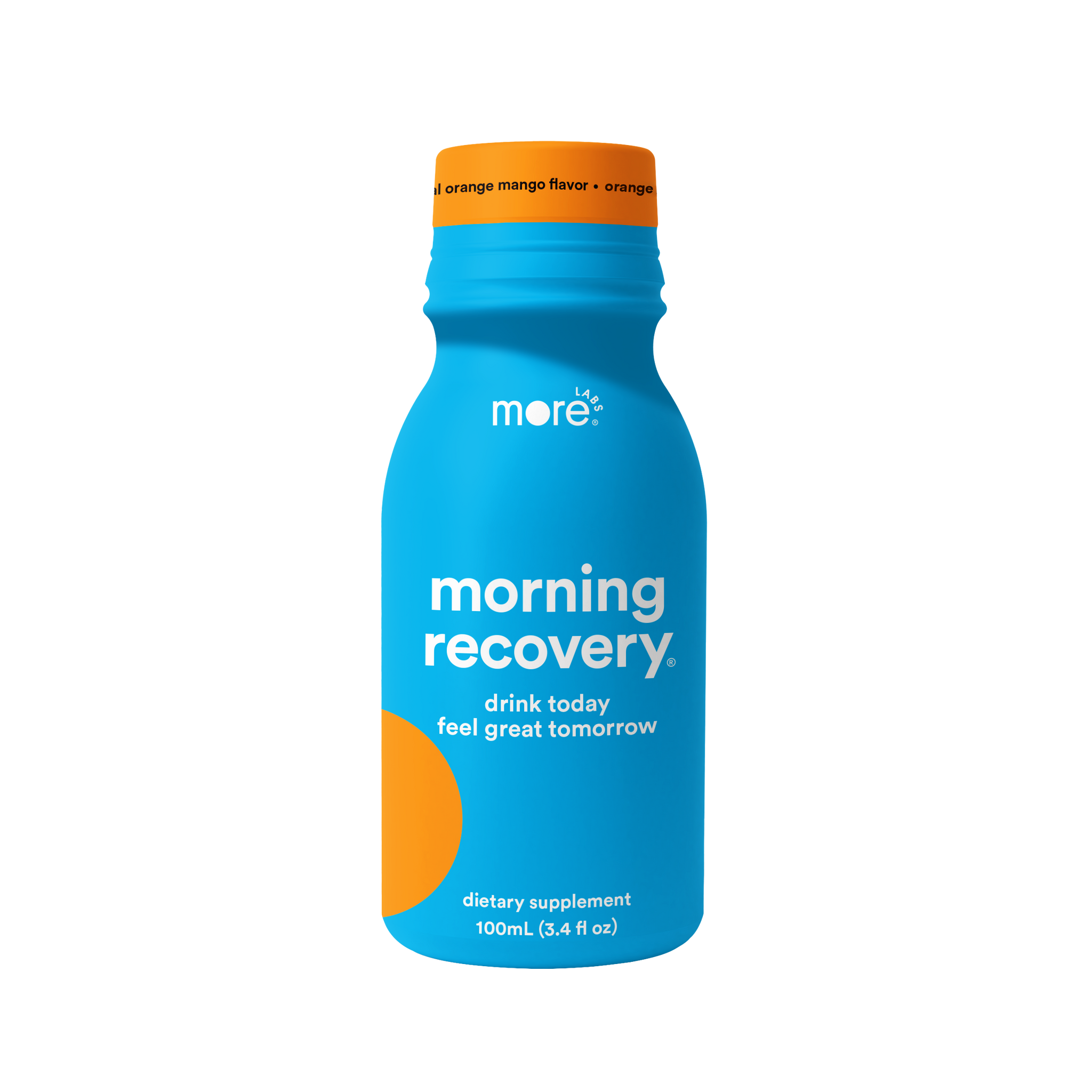
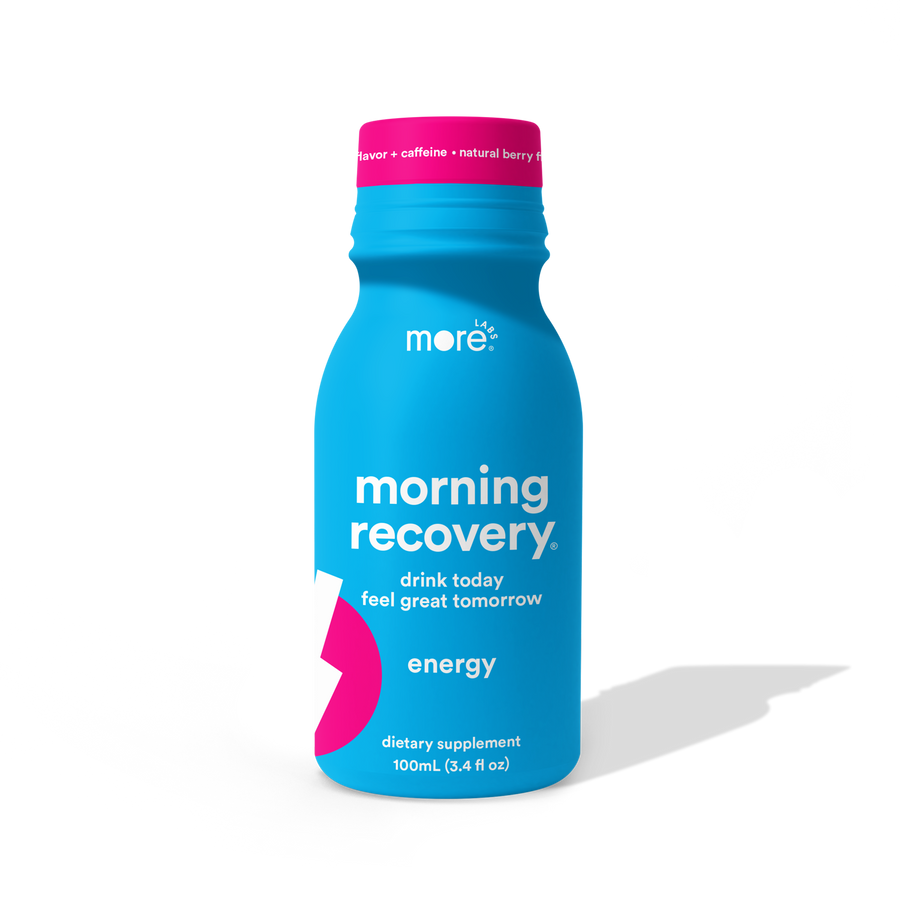
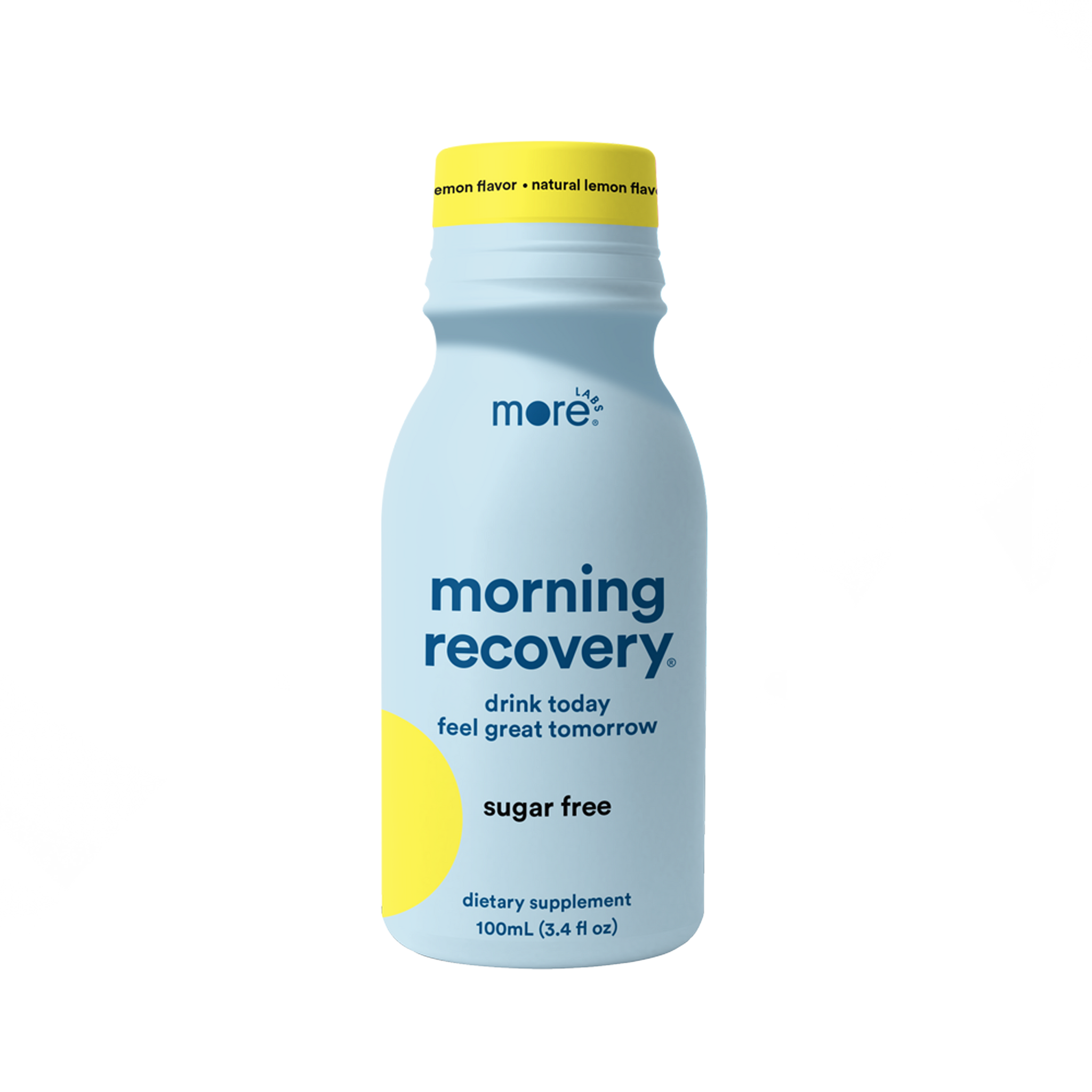
Morning Recovery dietary supplement is a clinically studied formula designed to be taken before your first drink or while drinking for next-day symptom support.
In a randomized, double-blind, placebo-controlled clinical study, participants reported feeling up to 80% better across next-day symptoms, including headache, heart-pounding, concentration problems, and clumsiness, compared with people who took a placebo.
That result applies to the complete formula rather than any one ingredient.
Morning Recovery is designed for next-day support. It does not prevent intoxication or enhance sobriety, so responsible drinking still comes first.
FAQs
Do genetics affect how alcohol affects you?
Yes. Genetic differences in enzymes such as ADH and ALDH can change how alcohol and acetaldehyde are processed.
Does body weight determine alcohol tolerance?
No. Body weight matters, but body composition, total body water, genetics, food, drinking pace, and tolerance also affect how alcohol may feel.
Why do some people turn red after drinking?
Alcohol flushing can happen when genetic differences reduce how efficiently ALDH2 processes acetaldehyde, allowing more of it to build up.
Does eating before drinking make a difference?
Yes. Food can slow alcohol absorption and may reduce how quickly blood alcohol concentration rises.
Does a high tolerance mean you process alcohol faster?
Not necessarily. Tolerance can make alcohol feel less noticeable without making it leave your body faster.
Know Your Own Response and Plan Ahead With More Labs
There is no single reason alcohol hits one person harder than another.
Your genetics, body composition, food, pace, and tolerance all shape the experience. That is why another person’s “limit” should never become your target.
Pay attention to your own response, make responsible choices, and plan ahead when alcohol is part of the occasion.
If next-day support is part of that plan, Morning Recovery dietary supplement is designed to be taken before your first drink or while drinking.
Explore Morning Recovery from More Labs before your next social occasion.
Disclaimer:
† These statements have not been evaluated by the Food and Drug Administration. These products are not intended to diagnose, treat, cure, or prevent any disease.
|
The Bottom Line: Alcohol can affect people differently because genetics, body composition, food, pace, and tolerance all shape the experience. The safest approach is to pay attention to your own response instead of using someone else’s as a benchmark. If next-day support is part of your plan, Morning Recovery dietary supplement is designed to be taken before your first drink or while drinking. |


